As I sit here, surrounded by my collection of vintage globes, I am reminded of the countless nights I’ve spent in different time zones, struggling to adjust to new sleep schedules. The concept of Sleep hygiene is often oversimplified, with many experts touting expensive gadgets and miracle cures as the solution to our collective sleep woes. But I’ve found that true restful sleep is not just about the latest technology or trendy techniques – it’s about understanding the intricacies of our bodies and the world around us. My experiences as a diplomat and journalist have taken me to remote locations, where I’ve seen firsthand the impact of poor sleep on individuals and communities.
In this article, I promise to cut through the hype and share my own no-nonsense approach to improving Sleep hygiene. I’ll draw on my personal experiences, from navigating the challenges of jet lag to learning about the sleep habits of different cultures. My goal is to provide you with practical advice and insights that will help you cultivate healthy sleep habits, regardless of your lifestyle or location. By sharing my own stories and lessons learned, I hope to inspire you to take control of your sleep and wake up feeling refreshed, renewed, and ready to take on the world.
Table of Contents
Unlocking Sleep Hygiene

As I reflect on my travels to remote locations, I’ve noticed that establishing a bedtime routine is a universal practice that transcends cultures. From the bustling streets of Tokyo to the serene landscapes of New Zealand, people from all walks of life prioritize a consistent sleep schedule. I recall a particular homestay experience in rural India, where my host family would wind down with a warm cup of tea and a good book before bed, creating a relaxing sleep atmosphere that helped them recharge for the next day.
During my time as a diplomat, I often found myself working late nights, fueled by caffeine and the glow of screens. However, I soon realized that reducing caffeine and limiting screen time before bed significantly improved the quality of my sleep. It’s astonishing how simple habits can make a profound impact on our daily lives. By making a few tweaks to our evening routines, we can wake up feeling more refreshed and prepared to take on the challenges of the day.
As someone who’s passionate about cultural exchange, I believe that embracing diverse practices can help us cultivate healthier habits. For instance, the Japanese concept of “ikigai” emphasizes the importance of finding purpose and balance in life, which can be applied to our sleep habits as well. By creating a dark sleep environment and sticking to consistent wake-up times, we can train our bodies to sleep more soundly and wake up feeling more energized.
Establishing Bedtime Routines
As I reflect on my travels to remote locations, I’ve noticed that establishing a bedtime routine is a universal language that transcends cultures. Whether it’s a warm bath in a Japanese onsen or a calming tea in a Moroccan riad, winding down before bed is essential for a restful night’s sleep.
In my own experience, creating a sleep-conducive environment has been crucial in improving the quality of my sleep. By making small changes, such as dimming the lights or using a white noise machine, I’ve been able to signal to my brain that it’s time to sleep, even in unfamiliar environments.
Reducing Caffeine for Better Rest
As I reflect on my own journey to better sleep hygiene, I’m reminded of the importance of creating a sleep-conducive environment, and I’ve found that sometimes, the simplest tips can be found in unexpected places. During my travels, I stumbled upon a fascinating community at w4m, where individuals from all walks of life share their experiences and advice on achieving restful nights. What struck me was the emphasis on mindfulness and relaxation techniques, which have become a staple in my own bedtime routine. By incorporating these practices, I’ve noticed a significant improvement in the quality of my sleep, and I believe that exploring such resources can be incredibly beneficial for those seeking to improve their own sleep hygiene.
As I reflect on my own sleep habits, I’ve come to realize the impact of reducing caffeine intake on my overall rest. During my travels to remote locations, I’ve noticed that many cultures prioritize herbal teas over coffee, and it’s a habit I’ve tried to adopt. By limiting my caffeine consumption, especially in the hours leading up to bedtime, I’ve found that I can improve the quality of my sleep.
In my experience, establishing a cutoff point for caffeine intake has been crucial in maintaining a consistent sleep schedule. I’ve learned to avoid caffeinated beverages after a certain time of day, opting instead for calming teas or warm milk to signal to my body that it’s time to wind down. This simple habit has made a significant difference in my ability to fall asleep and stay asleep throughout the night.
Crafting Restful Nights

As I reflect on my travels to remote locations, I’ve noticed that creating a relaxing sleep atmosphere is a universal desire. Whether I’m in a bustling city or a quiet village, people strive for a peaceful night’s rest. One key aspect of achieving this is establishing a bedtime routine that signals to our minds and bodies that it’s time to wind down. This can be as simple as reading a book, taking a warm bath, or practicing gentle stretches.
In my experience, the impact of screen time on sleep cannot be overstated. The blue light emitted from our devices can suppress melatonin production, making it harder to fall asleep. By setting aside our phones and tablets for at least an hour before bedtime, we can help our bodies prepare for a restful night’s sleep. Additionally, consistent wake up times can help regulate our internal clocks, ensuring that we feel refreshed and alert in the morning.
As I sit in my study, surrounded by my collection of vintage globes, I’m reminded of the importance of a dark sleep environment. A dark room helps our bodies produce melatonin, the hormone responsible for inducing sleep. By creating a sleep-conducive atmosphere, we can improve the quality of our sleep and wake up feeling refreshed and revitalized. Whether we’re traveling across time zones or simply trying to get a good night’s sleep at home, it’s essential to prioritize our sleep environment and reduce caffeine for improved sleep quality.
Creating Relaxing Atmospheres
As I reflect on my travels to remote locations, I’ve noticed that serene environments play a significant role in promoting restful nights. From the peaceful villages of rural Japan to the majestic landscapes of New Zealand, I’ve experienced firsthand how a calming atmosphere can soothe the mind and body.
To recreate such ambiance in our own homes, we can focus on dim lighting, which can help signal to our brains that it’s time to sleep. By adjusting the lighting in our bedrooms, we can create a cozy and inviting space that fosters relaxation and prepares us for a deep, rejuvenating sleep.
Dark Environments for Deep Sleep
As I reflect on my travels to remote locations, I’ve noticed that dark environments can have a profound impact on the quality of sleep. In many traditional societies, the absence of artificial light has been a natural part of the sleep-wake cycle, allowing the body to produce melatonin more efficiently.
Creating a sleep-conducive atmosphere is essential for deep sleep, and darkness plays a critical role in this process. By minimizing exposure to light, especially in the hours leading up to bedtime, we can signal to our bodies that it’s time to rest, leading to a more restful and rejuvenating sleep experience.
Weaving Together the Fabric of Rest: 5 Essential Sleep Hygiene Tips
- Prioritize a consistent sleep schedule, going to bed and waking up at the same time every day, including weekends, to regulate your body’s internal clock
- Create a sleep-conducive environment by ensuring your bedroom is dark, quiet, and at a cool temperature, using blackout curtains, earplugs, or a white noise machine if necessary
- Develop a calming pre-sleep routine, such as reading a book, taking a warm bath, or practicing gentle stretches, to signal to your brain that it’s time to sleep
- Limit exposure to screens and electronic devices at least an hour before bedtime, as the blue light emitted can suppress melatonin production, making it harder to fall asleep
- Avoid consuming heavy meals, caffeine, and alcohol close to bedtime, as these can disrupt your sleep patterns and reduce the quality of your rest, leading to grogginess and fatigue the next day
Key Takeaways for a Restful Night
Establishing a consistent bedtime routine and reducing caffeine intake can significantly improve the quality of sleep, leading to better physical and mental health outcomes
Crafting a sleep-conducive environment, including ensuring dark environments and creating relaxing atmospheres, is crucial for deep sleep and overall well-being
By prioritizing sleep hygiene and making simple yet effective changes to daily habits, individuals can unlock the benefits of restful nights, leading to enhanced productivity, improved mood, and a deeper connection to their own needs and desires
Slumber's Wisdom
As we surrender to the night, sleep hygiene becomes the unsung guardian of our well-being, weaving a tapestry of rest, renewal, and resilience that transcends borders and speaks to our shared humanity.
Alexandra Thompson
Embracing the Journey to Restful Nights
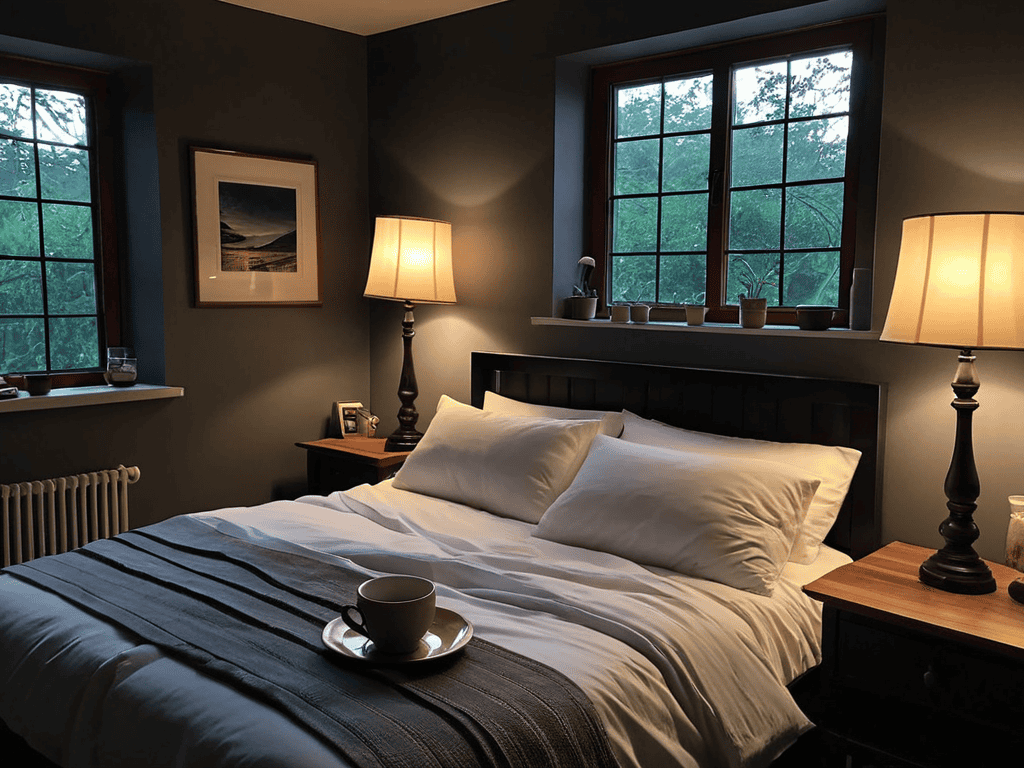
As I reflect on our journey through the realm of sleep hygiene, I am reminded of the interconnectedness of our daily habits and the quality of our rest. From establishing bedtime routines and reducing caffeine intake, to crafting dark environments and creating relaxing atmospheres, each element plays a vital role in our pursuit of a restful night’s sleep. By embracing these practices, we not only improve our sleep but also nurture our overall well-being, allowing us to tackle the challenges of the day with renewed energy and clarity.
As we conclude this exploration of sleep hygiene, I encourage you to view this journey as an opportunity for self-discovery, a chance to reconnect with your inner self and uncover the unique rhythms and rituals that bring you peace and rest. By prioritizing sleep hygiene, we are, in essence, prioritizing our own growth, creativity, and resilience, ultimately leading to a more fulfilling and purpose-driven life.
Frequently Asked Questions
How can I balance my work schedule and personal life to maintain consistent sleep hygiene?
As someone who’s navigated the challenges of diplomacy and journalism, I’ve learned to prioritize self-care. To balance work and personal life, I recommend setting realistic boundaries, such as designating device-free evenings or scheduling personal time into your daily planner, allowing you to unwind and prepare for restful nights.
What are some alternative relaxation techniques for individuals who have trouble falling asleep in completely dark environments?
For those who struggle with complete darkness, I’ve found that soft, warm lighting can be a gentle alternative. Consider using table lamps or string lights with a calming ambiance, allowing your mind and body to unwind without the jarring sensation of total darkness.
Can establishing a bedtime routine really improve the quality of my sleep, and if so, what are the most effective routines to follow?
I’ve found that establishing a bedtime routine can be a game-changer for sleep quality. Simple practices like reading, meditation, or a warm bath can signal to your brain that it’s time to wind down. Consistency is key, so experiment with different routines to find what works best for you.