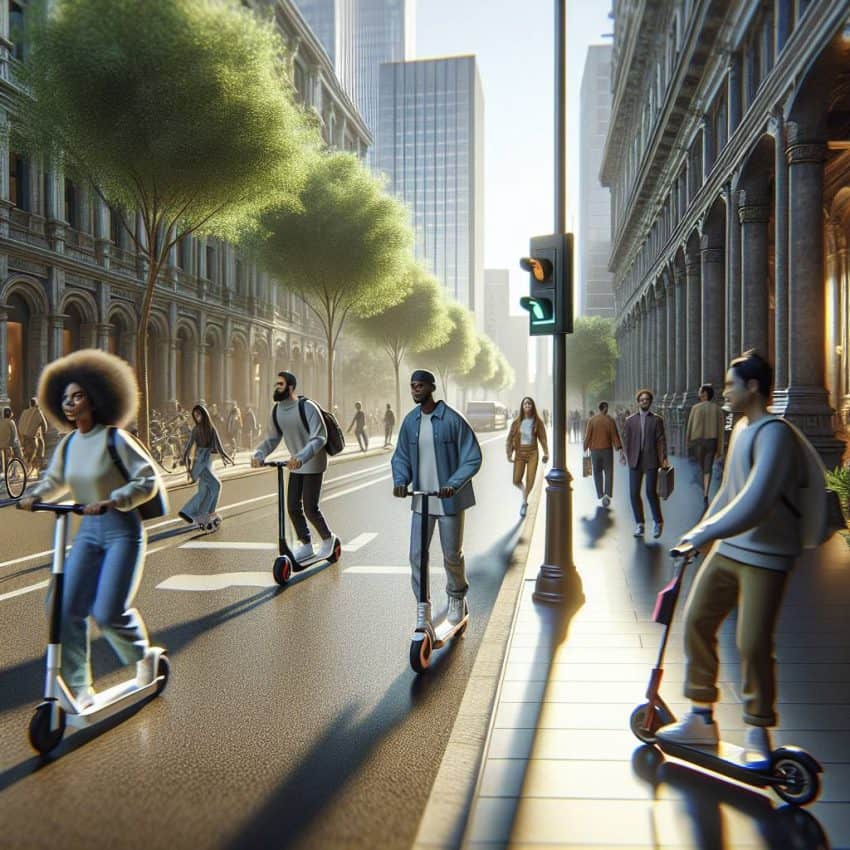
I remember the first time I hopped on an e-scooter, thinking I’d glide through the city like a tech-savvy urban warrior. Instead, I ended up clinging on for dear life, narrowly missing pedestrians and potholes like some deranged game of Frogger. It was a stark reminder that urban mobility technologies are less about freedom and more about surviving the concrete jungle with my dignity barely intact. Let’s face it, these gadgets promise convenience but often deliver chaos. And yet, here we are, embracing them like they’re the next sliced bread.
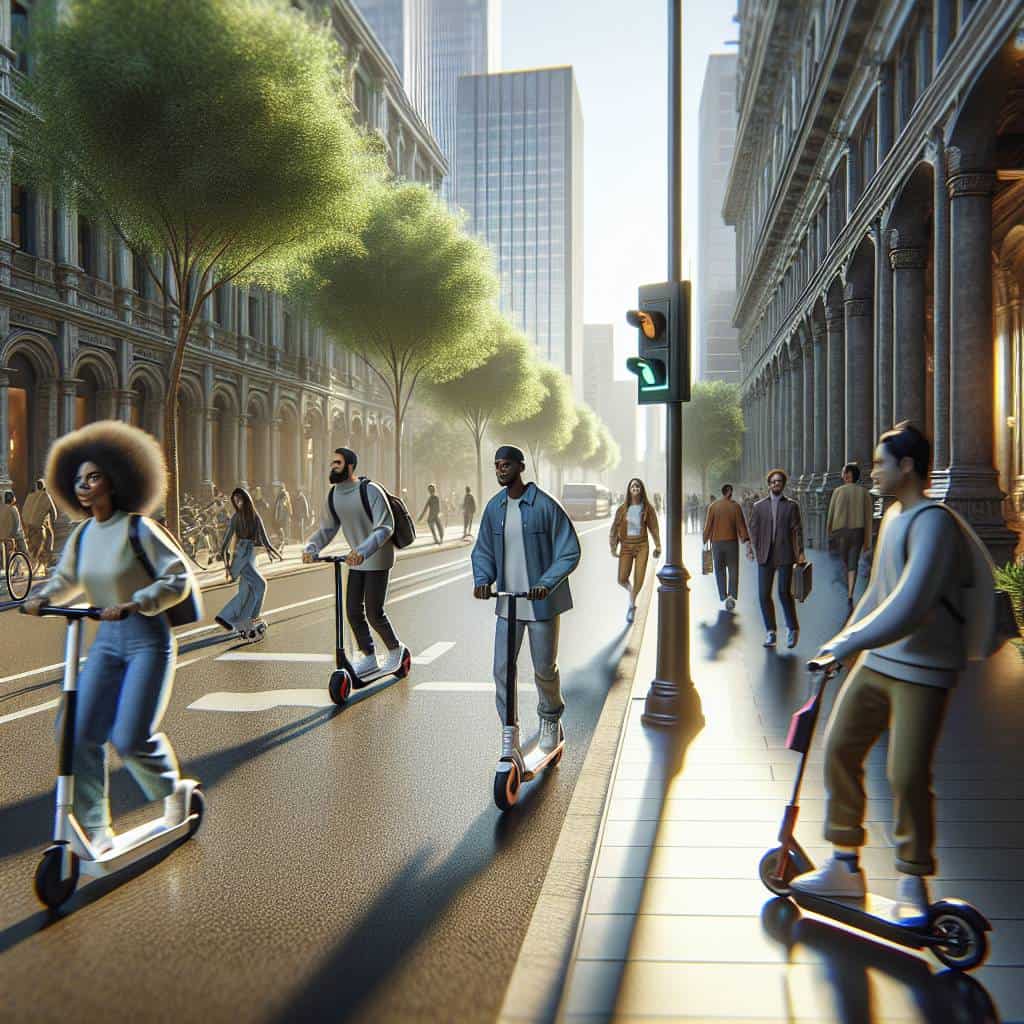
So, why do we persist? Maybe it’s the allure of being part of the future or just a desperate attempt to avoid the hellscape of public transport. In this article, I’ll cut through the hype and get real about e-scooters, ride-sharing, and the so-called smart cities we’re building. We’ll look at how these technologies are reshaping our urban nightmares and whether they’re truly making life easier or just adding another layer of complexity. Buckle up, because it’s going to be a bumpy ride.
Table of Contents
Confessions of an E-Scooter Survivor in the Concrete Jungle
Ever tried maneuvering an e-scooter through the chaos of a city that seems engineered to test your will to live? Welcome to my world. The concrete jungle is a battleground, and these two-wheeled contraptions are both the weapon and the enemy. Let’s face it—e-scooters are the urban mobility equivalent of a double-edged sword. They’re supposed to be the savior of the overcrowded, smog-choked city, promising quick zips from A to B. But here’s the cold truth: they throw us into a gladiator arena where potholes and pedestrians are your fiercest opponents.
Ride sharing sounds like a utopian dream until you’re elbowing your way through people who seem to think the sidewalk is a picnic spot. And don’t even get me started on the so-called “smart” city infrastructure. Smart for whom, exactly? Certainly not for the person trying to dodge traffic while simultaneously avoiding a faceplant thanks to a rogue piece of uneven pavement. Yet, amidst the chaos, there’s a twisted allure to these e-scooters—a promise of liberation from the gridlock that seems almost worth the risk. Or maybe it’s just Stockholm Syndrome.
Here’s the real kicker: these scooters are a litmus test for the human condition. They show us just how much we’re willing to gamble for a taste of modern convenience. But every exhilarating ride is a reminder that we’re still at the mercy of outdated city planning and a woefully ignorant machine overlord. So, while e-scooters might make us question our sanity, they’re also a testament to our relentless pursuit of efficiency in a world that seems hell-bent on slowing us down. In this urban jungle, surviving the scooter experience is less about the ride and more about understanding the wild, unpredictable dance of city life.
The Sardine Syndrome
E-scooters and ride-sharing might promise liberation from gridlock, but let’s be honest—it’s just a high-tech way to pack more of us into an already crowded can.
The Road Less Traveled: My Urban Mobility Reality Check
Urban mobility technologies. Sounds fancy, right? But let’s not kid ourselves. The e-scooters, ride-sharing apps, and the whole smart city spiel—it’s all just a chaotic dance of progress and frustration. It’s like we’re trying to reinvent the wheel while simultaneously forgetting how the damn thing works. I’ve whizzed past enough dazed pedestrians and dodged more potholes than I care to count to know that while these innovations promise a lot, they’re not the silver bullet to our urban woes. But here’s the kicker: maybe they’re not supposed to be.
The truth is, urban mobility isn’t about the tech; it’s about us. How we adapt, how we coexist with these buzzing contraptions. So here’s my take: embrace the madness. Use the e-scooter if you dare, share that ride if you’re feeling brave, and hope that smart cities will catch up with our not-so-smart antics. Because at the end of the day, it’s not about the destination, but the absurd journey we take to get there. And maybe, just maybe, that’s where the real progress lies.
