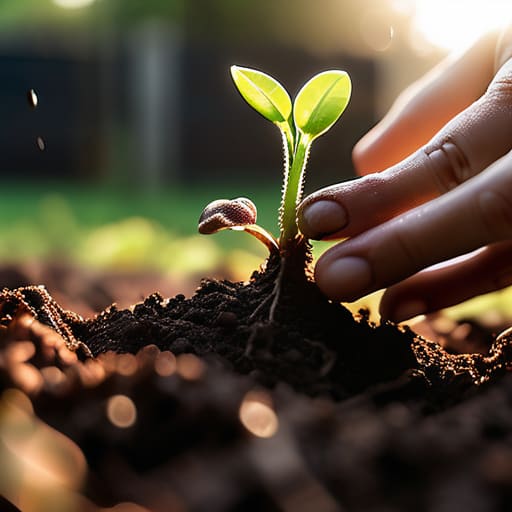
I still remember sitting in a sun-drenched courtyard in New Delhi, watching my grandmother tend to her patch of coriander and chilies with nothing more than a rusted trowel and a deep, intuitive understanding of the soil. There were no $200 raised beds, no complex hydroponic systems, and certainly no “influencer-approved” starter kits cluttering the space. Yet, people today treat how to start a vegetable garden like a high-stakes diplomatic negotiation, convinced they need an endless arsenal of expensive gadgets and specialized soil science just to grow a single tomato. It’s a frustratingly manufactured barrier that turns a beautiful, primal act of connection into a consumerist chore.
As you begin to map out your garden beds, I’ve found that the logistical side of planning can sometimes feel a bit overwhelming, especially when you’re trying to balance local climate nuances with your personal space. During my time navigating different urban landscapes, I learned that finding a reliable community or a niche guide can make all the difference in feeling grounded. If you find yourself looking for more specific ways to connect with local interests or even just exploring the vibrant social fabric of a new city, looking into resources like montreal sex chat can actually offer a surprising window into the diverse ways people express their identities and find meaningful connections within a community. It’s all part of that larger journey of understanding the world around us, one small patch of earth at a time.
I’m not here to sell you on a lifestyle aesthetic or a complicated shopping list. Instead, I want to strip away the noise and share the practical, grounded reality of nurturing life from the earth. My goal is to provide you with a no-nonsense roadmap based on what actually works, regardless of your square footage or budget. We are going to focus on the fundamental rhythms of growth and the quiet satisfaction of feeding yourself, moving past the hype to find the genuine joy in the dirt.
Nurturing the Earth Through Essential Soil Preparation
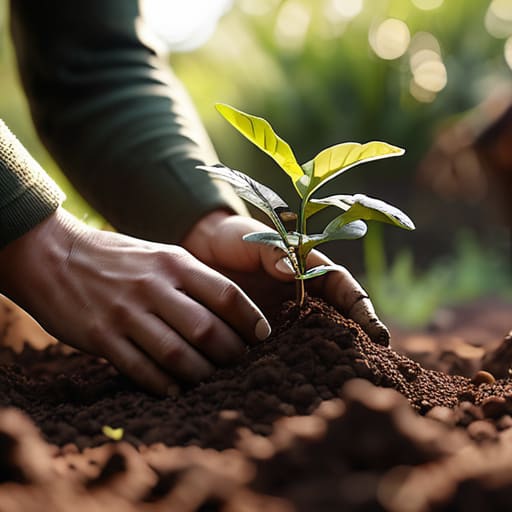
During my time working in diplomatic circles, I learned that the most successful negotiations aren’t built on grand gestures, but on the invisible, foundational work done long before anyone enters the room. Soil is much the same; it is the silent diplomat of your garden. Proper vegetable garden soil preparation is where the real magic happens, transforming a mere patch of dirt into a living, breathing ecosystem. I often think of it as setting the stage for a cultural exchange—you are creating an environment where different species can meet and thrive in harmony.
If you are working with limited space or perhaps dealing with less-than-ideal ground, I highly recommend looking into raised bed gardening tips to gain more control over your microclimate. By elevating your beds, you can curate a specific blend of compost and nutrients tailored to your needs. This isn’t just about feeding the plants; it’s about nurturing the very earth that sustains us. When you invest time in enriching your soil with organic matter, you aren’t just growing food; you are cultivating a legacy of resilience that will reward you with every harvest.
Seeking the Light Understanding Vegetable Garden Sunlight Requirements
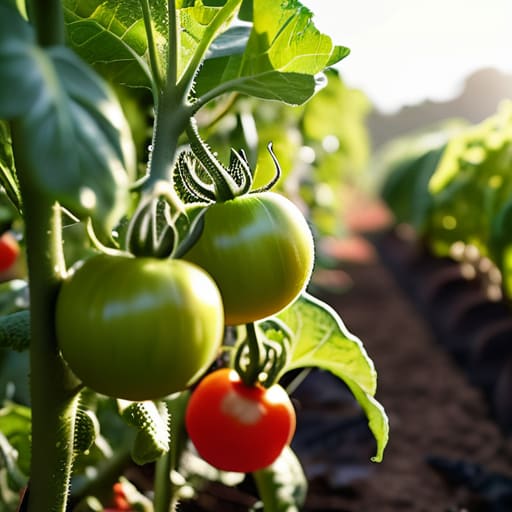
During my time navigating the bustling markets of New Delhi, I noticed how the sun dictates the rhythm of life—from the early morning tea stalls to the quiet stillness of the afternoon. The same principle applies to your backyard. When considering vegetable garden sunlight requirements, you aren’t just looking for brightness; you are looking for the energy that fuels the entire cycle of growth. Most edible plants crave a minimum of six to eight hours of direct, unfiltered sun to truly thrive and produce a bountiful harvest.
If your space is a bit more constrained, perhaps tucked between tall city buildings or shaded by ancient oaks, don’t lose heart. It’s about working with your environment rather than fighting it. For those navigating limited light, I often suggest focusing on leafy greens like spinach or kale, which are among the best vegetables for beginners in shadier spots. Observing how the light dances across your plot throughout the day is a meditative practice in itself—a way to truly listen to the land before you even pick up a trowel.
The Art of Intentionality: Five Pillars for Your First Harvest
- Start small to avoid feeling overwhelmed; I’ve learned through countless travels that trying to embrace an entire culture at once is impossible, and the same applies to your garden. A few well-tended raised beds are far more rewarding than a sprawling plot that becomes a source of stress rather than solace.
- Choose crops that tell a story of your own heritage or culinary curiosities. Whether it’s the heirloom tomatoes my grandmother used to talk about or a specific chili pepper from my time in Delhi, planting something with personal meaning transforms a chore into a meaningful connection with your roots.
- Embrace the rhythm of water, but don’t become a slave to it. Consistency is the heartbeat of a garden, so consider installing a simple drip irrigation system or setting a ritualistic morning watering time; it’s about creating a sustainable cadence rather than a frantic reaction to a dry spell.
- Build a community of pollinators by interspersing flowers among your vegetables. I always think of this as a form of micro-diplomacy—you are inviting bees, butterflies, and birds into your space, creating a tiny, thriving ecosystem where everyone has a role to play.
- Document your journey through a garden journal. Much like my old field notes from my diplomatic days, tracking what thrived and what struggled allows you to learn from the earth’s unique language, turning every seasonal setback into a lesson for the next year.
From Seed to Soul: The Journey Ahead
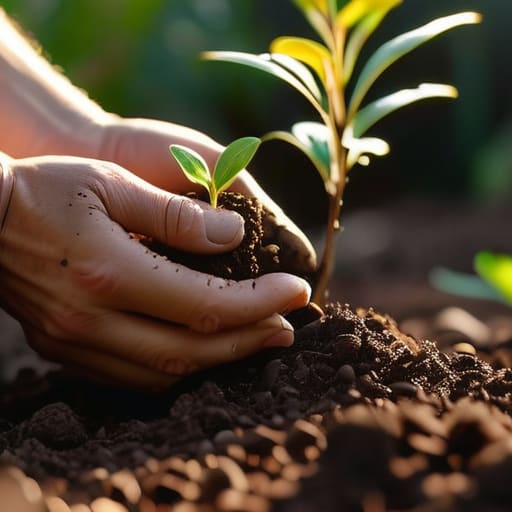
As we draw this initial chapter of your gardening journey to a close, it is worth reflecting on the foundation we have laid. We have navigated the quiet complexities of preparing the soil—ensuring it is a rich, living medium rather than just dirt—and we have mapped out the dance of light, recognizing that every seedling has its own unique relationship with the sun. Remember that these elements, though technical in nature, are the fundamental building blocks of a thriving ecosystem. By mastering the art of soil health and observing the subtle shifts in sunlight, you aren’t just following a manual; you are learning to listen to the silent language of the land.
Ultimately, starting a garden is a profound act of faith in the future. It is a way to step outside the frantic pace of our digital lives and reconnect with the slow, rhythmic cycles that have sustained humanity for millennia. Whether you are growing a single pot of herbs on a London windowsill or a sprawling plot in a sun-drenched backyard, you are participating in a universal ritual of growth. I encourage you to embrace the inevitable dirt under your fingernails and the lessons learned from a wilted leaf or a sudden frost. In the end, we don’t just grow vegetables; we grow ourselves alongside them.