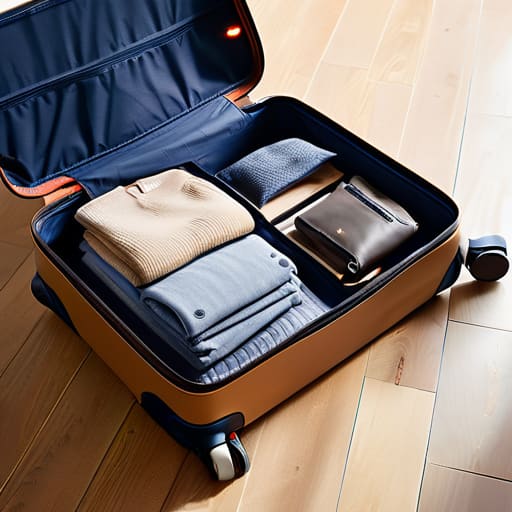
I remember standing in a crowded terminal in Delhi last monsoon, staring at a mountain of checked luggage that looked more like a collection of oversized boulders than personal belongings. While everyone else was wrestling with heavy, overstuffed suitcases, I was gliding toward my gate with nothing but a single, perfectly curated bag. The myth that you need a specialized, high-tech compression system or a massive wardrobe to navigate the world is a lie sold to us by people who have never actually had to maneuver through a narrow cobblestone alley in a foreign city. Learning how to pack a carry on bag isn’t about buying more gear; it’s about the discipline of intentionality.
I’m not here to give you a list of expensive gadgets or aesthetic “hacks” you saw on a fleeting social media reel. Instead, I want to share the pragmatic, battle-tested methods I’ve refined through years of diplomatic missions and solo journalism trips. I promise to show you how to prioritize versatility over volume, ensuring you have exactly what you need to engage with the world without being weighed down by your own possessions.
Mastering Space Saving Packing Methods for Seamless Movement
Beyond the physical logistics of folding shirts or choosing the right tech adapters, there is a deeper layer to traveling light: maintaining your sense of connection and personal well-being while navigating unfamiliar territories. I’ve found that the most enriching journeys aren’t just about what we carry in our bags, but how we engage with the nuances of local life once we arrive. If you find yourself seeking a more profound understanding of specific social landscapes or looking for ways to navigate the complex, often hidden cultural currents of a new destination, exploring resources like Sexwinnipeg can offer a unique perspective on the diverse human experiences that exist beneath the surface of any major city. It’s about moving through the world with intentionality and curiosity, ensuring that your physical lightness is matched by an openness to the many layers of the world around you.
I’ve learned through years of navigating bustling transit hubs—from Heathrow to Indira Gandhi International—that the secret to mobility isn’t just about what you bring, but how you arrange it. I used to struggle with bulky, disorganized bags, but I eventually realized that maximizing small suitcase space requires a bit of tactical precision. One of my favorite carry-on packing hacks is the eternal debate of rolling vs folding clothes. While folding feels more traditional, rolling your garments tightly creates air pockets that prevent wrinkles and, more importantly, allows you to tuck smaller items into the gaps that would otherwise go to waste.
If you want to truly elevate your organization, I cannot recommend packing cubes for travel enough. They act like tiny, modular drawers for your suitcase, allowing you to categorize your life into neat, compressed compartments. Instead of digging through a mountain of fabric to find a single linen shirt, you simply pull out the designated cube. This method transforms your luggage from a chaotic heap into a structured system, ensuring that your movement remains seamless and intentional as you transition between cities.
The Essential Carry on Checklist for the Global Citizen
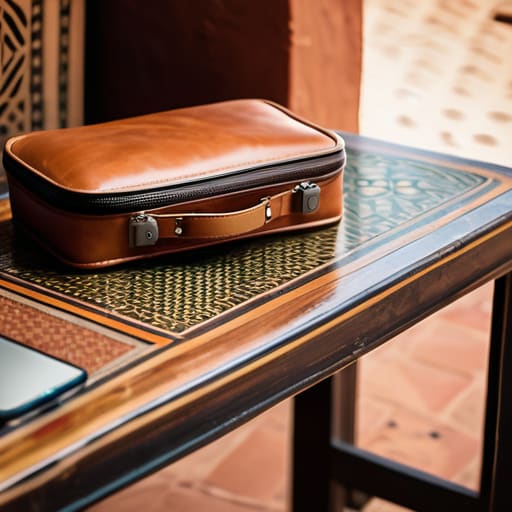
When I was working in the diplomatic corps, I learned quickly that your gear is often your only lifeline in an unfamiliar city. A well-curated essential carry-on checklist shouldn’t just be a list of items; it should be a strategy for autonomy. Beyond the obvious documents, I always prioritize a universal adapter and a high-quality power bank. There is nothing quite as isolating as sitting in a bustling café in Marrakech with a dead phone and no way to navigate the winding medina.
Organization is where the true magic happens. I’ve found that utilizing packing cubes for travel is an absolute game-changer for maintaining order amidst the chaos of transit. They allow you to compartmentalize your life—separating clean linens from daily essentials—so you aren’t digging through a mountain of fabric every time you need a fresh shirt. It turns your suitcase from a cluttered bin into a structured toolkit, ensuring that even in a cramped overhead bin, you remain composed and prepared for whatever the journey demands.
Beyond the Checklist: Five Nuanced Strategies for the Intentional Traveler
- Prioritize versatility over variety; I’ve learned through countless layovers that a single, well-cut linen shirt can serve you in a bustling Delhi market or a quiet café in London, provided it pairs with multiple basics.
- Embrace the “Layering Philosophy” to bypass bulk, choosing lightweight merino wool or silk blends that provide warmth without occupying the precious cubic centimeters of your bag.
- Curate a “Transit Kit” in a separate, accessible pouch, ensuring your most essential documents, a portable charger, and a small journal are always within arm’s reach as you navigate changing borders.
- Opt for high-quality, multi-functional footwear, because nothing disrupts the flow of a cultural exchange quite like realizing your shoes are too heavy for your bag or too impractical for the cobblestone streets you’ve planned to explore.
- Use your liquids strategically by investing in high-quality, reusable silicone containers, which allows you to carry the scents and comforts of home without the anxiety of a mid-security checkpoint spill.
The Freedom of a Lighter Load
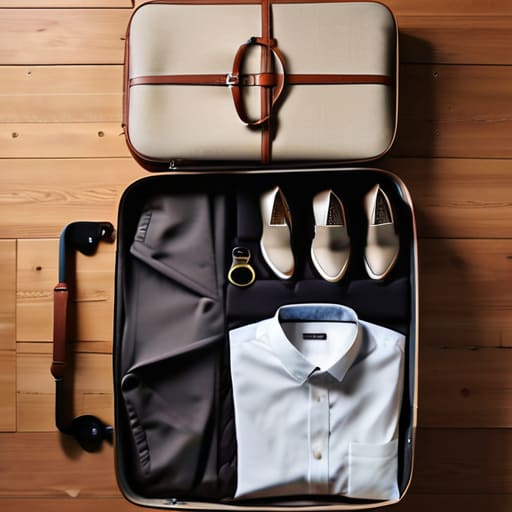
Ultimately, mastering the carry-on is less about the technicality of folding a shirt and more about the strategic intentionality of your journey. By implementing those space-saving methods, sticking to a curated checklist, and prioritizing versatility over sheer volume, you transform your transit from a logistical hurdle into a seamless transition. You aren’t just organizing fabric and gadgets; you are engineering freedom from the delays and heavy lifting that so often tether us to the ground. When your entire world fits within a single overhead bin, you gain the agility to pivot, to explore, and to move through the world with an unburdened spirit.
As I sit here in a small café in Kathmandu, looking at my worn, well-packed bag, I’m reminded that the most profound connections often happen when we travel light. When we aren’t weighed down by excess, we leave more room for the unexpected—the spontaneous detour, the sudden rainstorm, or the chance encounter with a stranger that changes your entire worldview. I encourage you to view your packing process as your first act of mindfulness on any trip. Pack with purpose, leave the unnecessary behind, and prepare yourself to embrace the beautiful unpredictability of the global stage. The world is far too vast to see it through the lens of a heavy suitcase.