
I remember sitting in a cramped, dust-filled café in Old Delhi, the scent of cardamom and diesel exhaust thick in the air, feeling utterly disconnected from the vibrant chaos around me. I had spent years in diplomatic circles learning how to navigate high-stakes tensions, yet I couldn’t seem to navigate my own sense of isolation. I was tired of the “toxic positivity” often peddled in wellness circles—the idea that you can simply manifest your way out of systemic hardship or personal grief. To me, the true benefits of practicing daily gratitude aren’t about forcing a smile when the world feels heavy; they are about finding the quiet, resilient threads of connection that remain even when everything else feels fractured.
I’m not here to sell you a lifestyle makeover or a collection of expensive journals. Instead, I want to share what I’ve learned from a life spent moving between vastly different worlds: how a disciplined, honest acknowledgment of what is “right” can actually reframe our entire geopolitical and personal outlook. I promise to move past the clichés and offer you a grounded, no-nonsense perspective on how gratitude functions as a tool for mental clarity and global empathy.
Unlocking the Psychological Effects of Being Thankful

As I was reflecting on my time navigating the high-pressure corridors of diplomacy, I realized that gratitude isn’t just a solo internal practice; it’s often most potent when shared through meaningful dialogue. Sometimes, the hardest part of being thankful is finding the right words or the right person to hold space for your reflections. If you ever find yourself needing a quiet, digital corner to practice expressing these thoughts or simply to engage in some low-stakes, thoughtful conversation to clear your mind, I’ve found that using this chat site can be a surprisingly helpful way to reconnect with the art of expression in a world that often feels too loud and too rushed.
During my time in the diplomatic corps, I often saw how high-stakes environments could strip away a person’s sense of calm, leaving only a residue of cortisol and constant vigilance. It wasn’t until I began exploring the neuroscience of gratitude and happiness that I understood why shifting our focus is more than just “positive thinking.” When we consciously acknowledge what is going well, we aren’t ignoring the world’s complexities; rather, we are retraining our brains to move away from a survivalist, scarcity-based mindset. This shift acts as a natural buffer, providing one of the most effective gratitude and stress reduction techniques available to us in an increasingly chaotic world.
It is fascinating how this internal recalibration manifests in our daily lives. By intentionally looking for the light, we begin to see the psychological effects of being thankful as a way to build emotional resilience. It’s not about ignoring the shadows, but about ensuring they don’t become our entire landscape. When we nurture this habit, we aren’t just feeling better in the moment; we are fundamentally improving emotional well-being through gratitude, creating a sturdier foundation for navigating the beautiful, messy reality of our global existence.
How Improving Emotional Well Being Through Gratitude Heals Us
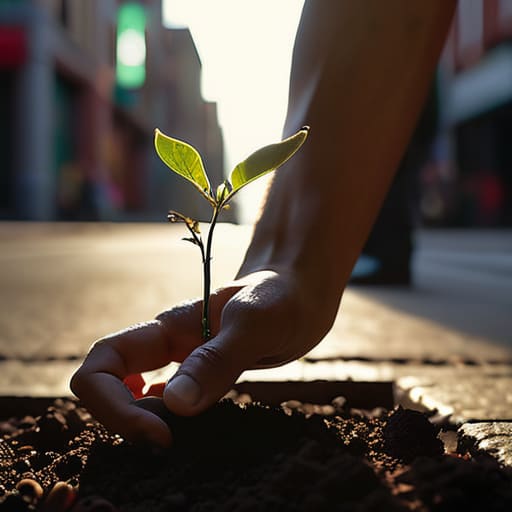
During my time navigating the high-pressure corridors of diplomacy, I witnessed firsthand how easily we can become insulated by our own anxieties. We often treat emotional resilience as a fortress we must build, brick by grueling brick, when in reality, it is more like a garden that requires consistent, gentle tending. By focusing on improving emotional well-being through gratitude, we aren’t just “thinking happy thoughts”; we are actively retraining our nervous systems to find stability amidst the chaos. It’s about shifting our internal compass from a state of perpetual deficit to one of recognition.
I’ve found that this healing process is deeply rooted in the neuroscience of gratitude and happiness. When we consciously acknowledge a moment of grace—even something as fleeting as the perfect cup of chai in a bustling Delhi market—we trigger a biochemical shift that dampens our fight-or-flight response. Integrating simple gratitude and stress reduction techniques into our daily rhythms allows us to process trauma and tension more fluidly. It provides a soft landing for the soul, ensuring that our emotional landscapes remain resilient enough to weather the inevitable storms of a complex, interconnected world.
Practical Rituals: Weaving Gratitude into the Fabric of Your Daily Life
- Start small with a ‘micro-moment’ journal. Instead of trying to list everything that went right, focus on one specific, sensory detail from your day—the warmth of a tea mug in a cold room or the way the light hit a street in Delhi—to anchor your appreciation in reality.
- Practice ‘Gratitude in Transit.’ Whether you’re navigating a crowded London Tube station or sitting in a quiet cafe, use those transitional moments to observe one stranger and silently acknowledge a strength or a kindness they represent. It shifts your gaze from your own stress to the shared human experience.
- Reframe your challenges through a lens of resilience. When a diplomatic meeting goes sideways or a travel plan falls apart, ask yourself, “What did this moment teach me about my own adaptability?” It’s not about toxic positivity; it’s about finding the silver thread of growth in the friction.
- Share the sentiment aloud. Connection is the ultimate multiplier of gratitude. When you tell a colleague you valued their insight or tell a friend how much their presence means, you aren’t just expressing a feeling—you are actively strengthening the social fabric that holds us together.
- End your day with a ‘Global Reflection.’ Before sleep, think of one thing happening in the wider world that inspires hope or curiosity. It pulls your perspective out of the vacuum of the self and reminds you that you are part of a vast, breathing, and interconnected tapestry.
Beyond the Journal: A Lifelong Practice

As we’ve explored, gratitude isn’t just a fleeting feeling of warmth; it is a profound psychological tool that reshapes how we process our reality. By intentionally pivoting our focus from what is lacking to what is present, we effectively rewire our cognitive responses, lowering stress and fostering a more resilient emotional core. We’ve seen how this practice serves as a balm for the psyche, helping us navigate the inevitable turbulence of life with a steadier hand. Ultimately, cultivating thankfulness is about more than just personal wellness—it is about reclaiming our agency in a world that often feels overwhelming, allowing us to find stability amidst the chaos.
As I sit here in my study, surrounded by my vintage globes and the maps of places that once felt so foreign, I am reminded that every culture, no matter how distant, finds its strength in connection. Gratitude is the invisible thread that pulls us out of our individual isolation and weaves us back into the broader human tapestry. It invites us to look at a stranger, a sunset, or a difficult challenge through a lens of possibility rather than scarcity. I encourage you to carry this practice with you, not as a chore, but as a way of moving through the world. When we live with an open, thankful heart, we don’t just change our own perspective—we change the very frequency of our existence.