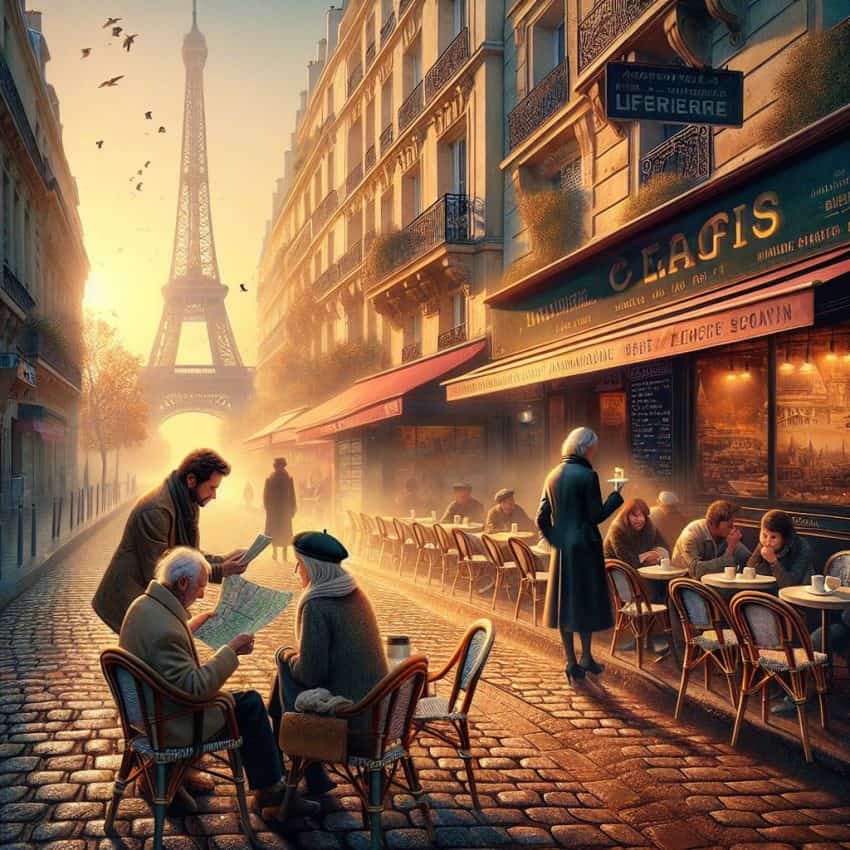
I once found myself in the heart of Paris, clutching a map so riddled with advertisements it barely had room for the actual streets. There I was, another pawn in the game of ‘see it all’, led by a guide who recited facts like a robot on autopilot. The Eiffel Tower? Magnificent. But the experience? A carousel of clichés spinning at full speed. It’s the kind of tourist trap where the promise of “authentic” moments is as hollow as the overpriced croissant they sell on every corner. Let’s just say I learned the hard way that city sightseeing guides often promise the world but deliver a cardboard cutout instead.
But here’s the deal—I’m not here to dunk on every guide out there. Some do get it right, peeling back the layers of a city to uncover its real soul. In this article, we’ll sift through the noise and uncover the gems worth your time, from walking tours that don’t feel like you’re herded cattle, to attractions with stories that actually stick. It’s about learning to navigate the urban maze with a keen eye and a sharp mind. So, buckle up for a no-nonsense guide to city sightseeing that respects your intelligence and rewards your curiosity.
Table of Contents
Wandering Through Time: How I Learned to Love Historical Walking Tours
I used to scoff at historical walking tours. The idea of shuffling in a herd, listening to a guide drone on about things that happened centuries ago? Not my idea of a thrilling afternoon. But then, I found myself with some time to kill in a city that was dripping with history. Friends had recommended a tour, and with a mix of skepticism and boredom, I joined. What I discovered was a revelation. This wasn’t just about history—it was about stories. Stories that took the dusty pages of textbooks and breathed life into them. Suddenly, the cobblestones beneath my feet weren’t just stones; they were witnesses to revolutions, whispers of intrigue, and echoes of the past.
The beauty of a historical walking tour is in its ability to transform the mundane into the magical. Each step is a journey back in time, a physical and mental exercise in connecting the dots between the past and the present. You start to see the city not as a static backdrop for your Instagram photos, but as a living, breathing entity with its own narrative arc. And yes, sometimes the guides are quirky, their passion infectious, turning what could be a dry recital into a gripping tale of human triumphs and follies. You find yourself hanging on their every word, eagerly anticipating the next stop where another piece of the puzzle will fall into place.
But the real kicker? These tours changed the way I see cities altogether. They taught me that attractions aren’t just things you tick off a list; they’re chapters in a story that’s still being written. When you walk, really walk through a city with history as your guide, you’re not just a passive observer. You’re part of the narrative, contributing to the ongoing saga of the place. And that, my friends, is the secret sauce of embracing historical walking tours. You learn to love them not because they tell you what happened, but because they show you why it matters.
Unmasking the Tourist Masquerade
City sightseeing guides often promise authentic experiences, yet they mostly lead you down well-trodden paths to nowhere. True discovery lies in the alleys and whispers of history, not in the brochure’s glossy pages.
Finding Truth in the Urban Maze
In the end, city sightseeing guides became more than just tools for navigating the urban sprawl—they became mirrors reflecting my own biases and desires. I came to realize that each guide, no matter how riddled with commercial fluff, offered a window into the soul of the city. Through them, I discovered the hidden layers beneath the surface gloss, the kind that don’t make it to the glossy covers or Instagram feeds. Every alley and obscure landmark held a story, a piece of history begging to be unearthed. And it was in those moments of discovery that I found the real value—connecting with the heartbeat of the city beyond its superficial mask.
So, I learned to embrace the chaos of the metropolis, to walk with eyes wide open, ready to question and challenge what I see. The guides, often predictable and banal, became a starting point—a provocation to dig deeper, to stray from the beaten path and find the narrative that resonated with me. And that, I suppose, is the real journey: not just wandering through time and space, but navigating the complex tapestry of stories that cities hold. It’s about finding the truth beneath the noise, and in doing so, finding a piece of myself.
