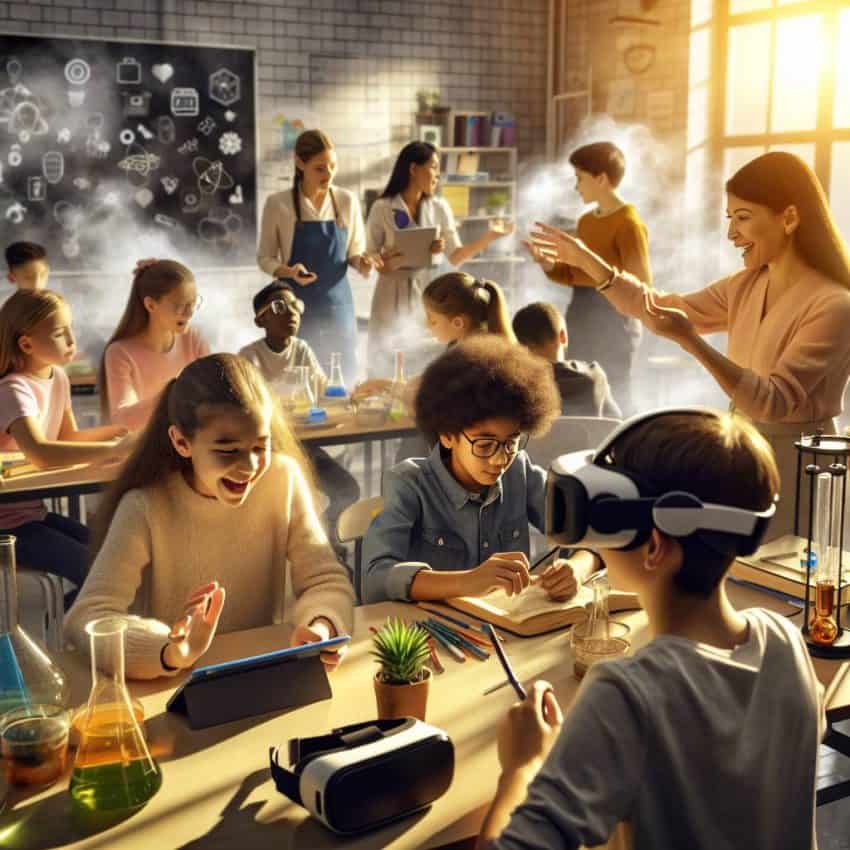
I remember the first time I heard someone gush over “innovation in education.” It was at one of those obnoxiously self-congratulatory conferences where tech bros and educators collide in a miasma of jargon and bad coffee. A guy in a too-tight suit was on stage, practically salivating over the introduction of tablets in classrooms. I couldn’t help but roll my eyes so hard I nearly saw my own brain. Because what they didn’t get was that you can’t just shove a piece of tech into kids’ hands and call it progress. It’s like giving a toddler a Ferrari and expecting them to win the race. Sure, it’s shiny and new, but they don’t even know how to turn the key.
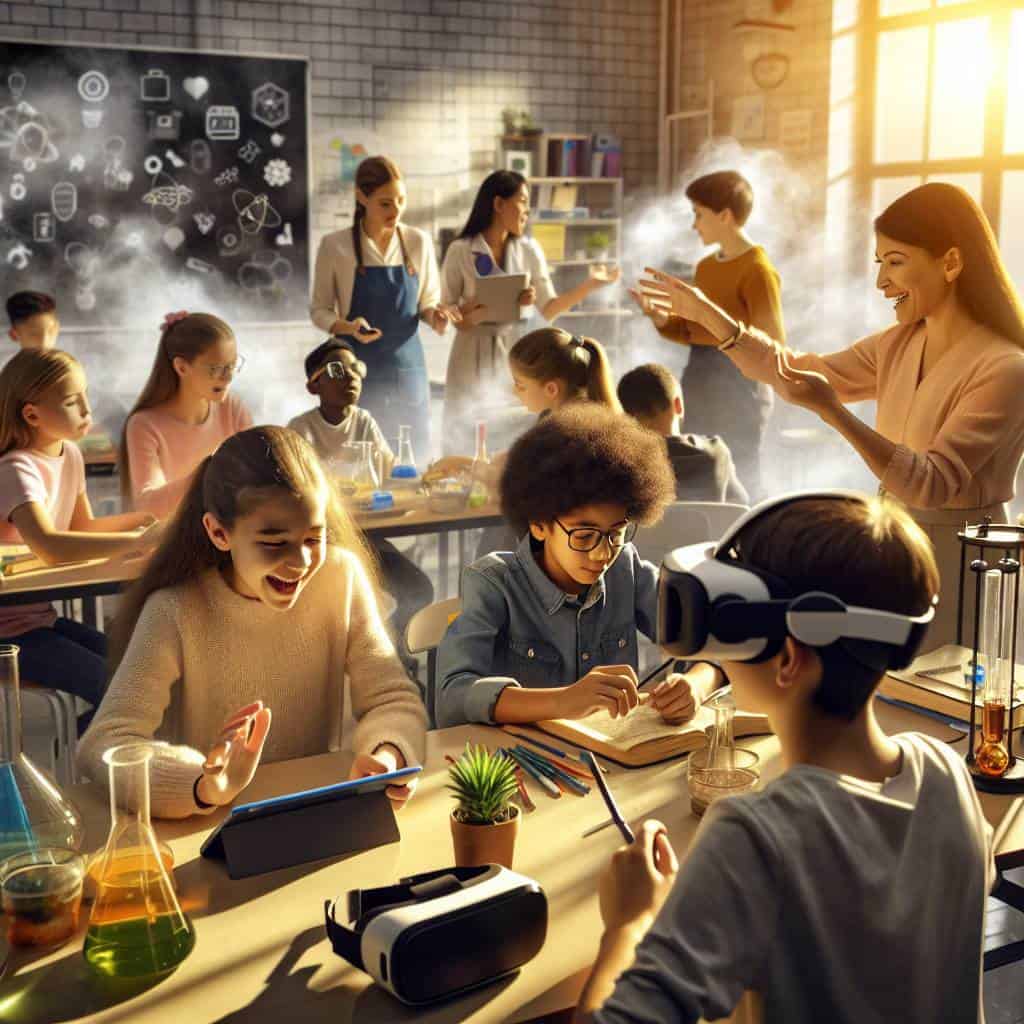
So, let’s cut through the nonsense. This article is not going to be another recycled love letter to gizmos and gadgets in education. Instead, we’ll dive deep into the trenches of real teaching. We’ll explore how genuine creativity and effective teaching methods can transform the classroom. Forget the buzzwords. We’re talking about how to truly engage students, foster critical thinking, and adapt to ever-evolving challenges. Buckle up, because we’re setting the record straight on what innovation in education really means.
Table of Contents
Tech-Savvy Teachers: More Than Just Digital Chalkboards
I’ve seen it all in the urban jungle: the good, the bad, and the downright laughable when it comes to tech in classrooms. Let’s be clear, tech-savvy teachers are not just wielding digital chalkboards like they’re in some educational dystopia. No, they’re artists in a digital renaissance, using technology not as a crutch, but as a brush to paint vibrant landscapes of learning. We’re talking about teachers who don’t just plug students into the matrix and call it a day. They’re orchestrating symphonies of engagement, where every app, every device, serves a purpose more profound than just replacing pencils.
These educators are architects of curiosity who understand that true innovation isn’t about the latest gadget; it’s about the mindset. They’re the ones who can turn a simple coding exercise into a treasure hunt or transform a video project into a journey through empathy and storytelling. It’s about blending tech with creativity to ignite a fire in students that textbooks alone could never spark. And sure, algorithms can spew out data, but it takes a human touch to turn that data into wisdom, to connect the dots in a way that makes students see beyond the screen. Because, at the end of the day, teaching isn’t just about information transfer—it’s about inspiring transformation.
Rethinking the Classroom Revolution
If we keep confusing digital glitz with true learning, we’re just teaching kids to be good robots.
Beyond the Buzzwords: A Personal Reckoning
As someone who’s had a front-row seat to the spectacle of so-called ‘innovation in education’, I’ve come to realize that it’s less about the tools and more about the teachers who wield them. You can’t just sprinkle some tech on top and expect magic. Teaching is an art, not a science experiment. It’s the human touch—those moments of genuine connection and creativity—that truly transform learning. The problem is, we’ve been too busy chasing shiny new gadgets to remember what actually works.
But here’s the kicker: we’re finally at a point where we can reclaim this narrative. Enough with the tech-driven hyperbole. Let’s focus on empowering educators to harness technology with purpose and intention. It’s not about replacing teachers with algorithms or screens. It’s about giving them the tools to do what they do best—ignite curiosity, inspire creativity, and equip students with the critical thinking skills they need to navigate a world drowning in information. The future of education isn’t in the hands of machines; it’s in the minds of those brave enough to teach with heart and soul.
