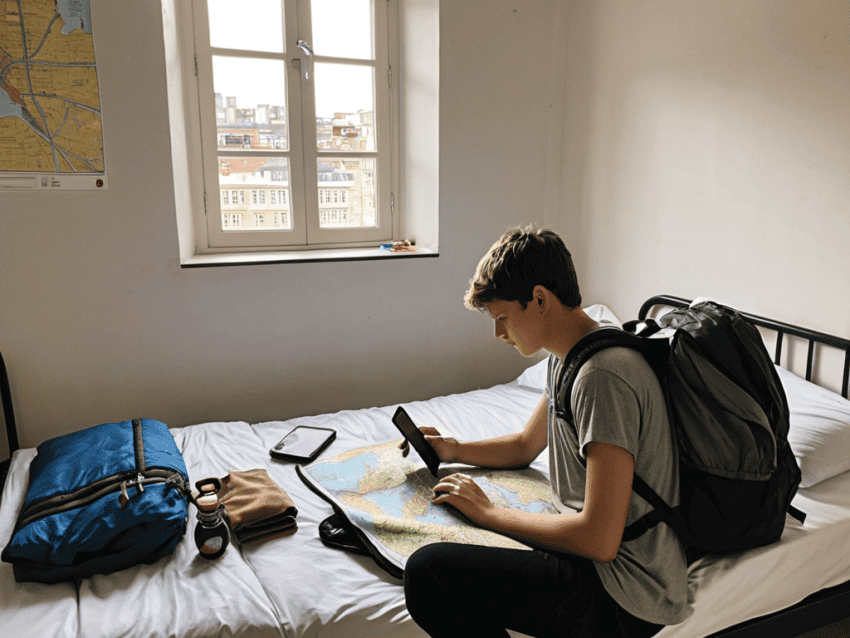
As I reflect on my own experiences as a solo traveler, I’ve come to realize that the notion of staying safe in hostels is often shrouded in misconceptions. Many believe that hostels are inherently dangerous, but I’ve found that with the right mindset and precautions, they can be a wonderful way to meet fellow travelers and immerse oneself in local cultures. In fact, I’ve had some of my most memorable experiences in hostels, from sharing stories with fellow travelers in a cozy common room to participating in lively cultural exchange programs. My passion for exploring remote locations and engaging with diverse cultures has led me to write a guide to staying safe in hostels as a solo traveler, with the hope of inspiring others to venture out and experience the world’s beauty.
In this article, I promise to share practical advice and personal anecdotes that will help you navigate the world of hostel travel with confidence. From researching the right hostels to being mindful of your belongings, I’ll provide you with honest and no-hype tips that will help you stay safe and focused on the journey. Whether you’re a seasoned traveler or just starting out, my goal is to empower you with the knowledge and skills necessary to make the most of your solo travel experiences. By the end of this guide, you’ll be well-equipped to handle any situation that may arise and make the most of your time on the road.
Table of Contents
- Guide Overview: What You'll Need
- Step-by-Step Instructions
- A Guide to Staying Safe
- Beyond Borders: 5 Essential Safety Tips for Solo Travelers in Hostels
- Key Takeaways for Safe Solo Hostel Travel
- Embracing the Unknown with Caution
- Beyond Borders: A Safe Haven for Solo Travelers
- Frequently Asked Questions
Guide Overview: What You'll Need
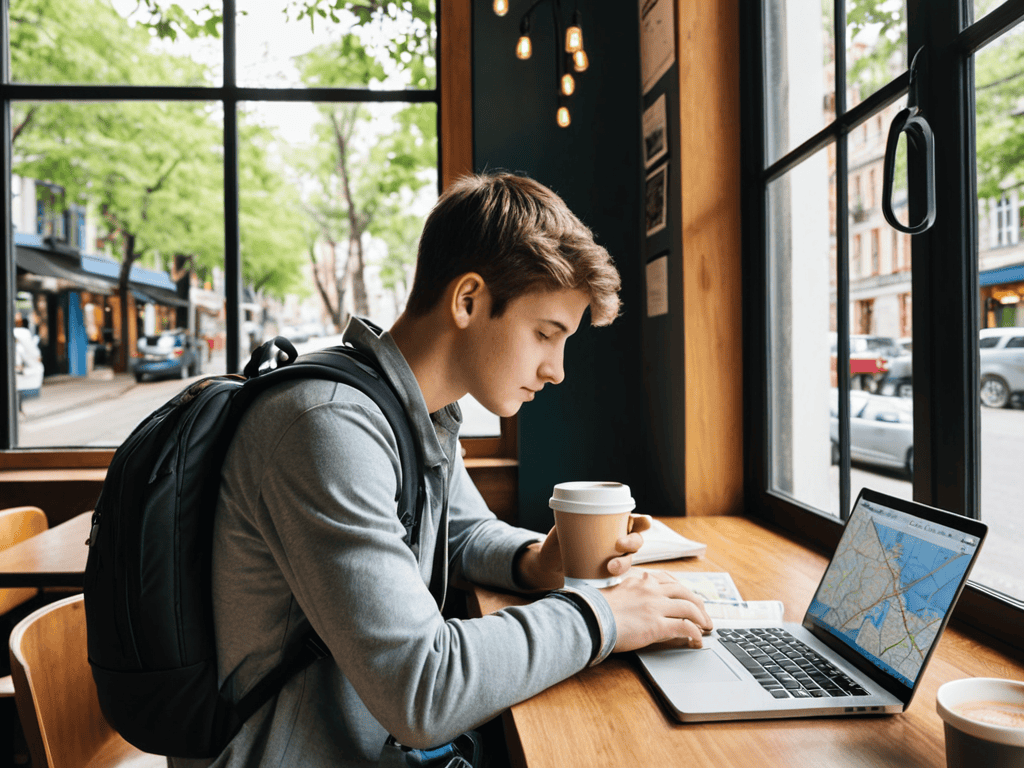
Total Time: Ongoing research and preparation
Estimated Cost: $0 – $20 (depending on safety items purchased)
Difficulty Level: Easy
Tools Required
- Research skills (to find safe hostels)
- Money belt (for secure storage of valuables)
- Portable charger (to keep devices charged)
- Travel lock (to secure luggage)
- Whistle or personal alarm (for emergency situations)
Supplies & Materials
- Copies of important documents (e.g., passport, ID, travel insurance)
- Travel insurance (to cover unexpected medical or travel-related expenses)
- Basic first aid kit (with essentials like bandages, antiseptic wipes)
- Secure bag or backpack (with multiple compartments and sturdy material)
Step-by-Step Instructions
- 1. First, do your research on the hostel you plan to stay in, looking for reviews and ratings from other solo travelers to get a sense of the hostel’s reputation and safety record. Check for any red flags, such as reports of theft, harassment, or other safety concerns.
- 2. When booking your stay, make sure to read the hostel’s policies and procedures, especially those related to _check-in_ and _check-out_ times, as well as any curfews or quiet hours. Understanding these rules will help you plan your trip and avoid any potential issues.
- 3. Upon arrival, take a few minutes to familiarize yourself with the hostel’s layout and _security measures_, such as locks, cameras, and staff presence. Knowing the location of emergency exits, fire alarms, and first aid kits can also be invaluable in case of an emergency.
- 4. As you settle into your room, take steps to secure your belongings, using _locks_ or safes provided by the hostel, and keeping valuable items close to you. Consider investing in a portable lock or a money belt to add an extra layer of protection for your passport, cash, and other important documents.
- 5. When meeting new people at the hostel, be open to making friends, but also trust your instincts and be cautious when sharing personal information or _inviting strangers_ to your room. Remember that it’s okay to say no or set boundaries if you feel uncomfortable or unsure about someone’s intentions.
- 6. To stay connected and safe, make sure your phone is fully charged and has a _reliable signal_, and consider purchasing a local SIM card or portable Wi-Fi hotspot. Keep your family and friends back home informed of your itinerary and check-in regularly to let them know you’re safe.
- 7. Finally, be aware of your surroundings and keep an eye on your belongings, especially in common areas like the lobby, kitchen, or _dorm rooms_. If you notice anything suspicious or feel uncomfortable, don’t hesitate to report it to the hostel staff or seek help from local authorities.
A Guide to Staying Safe
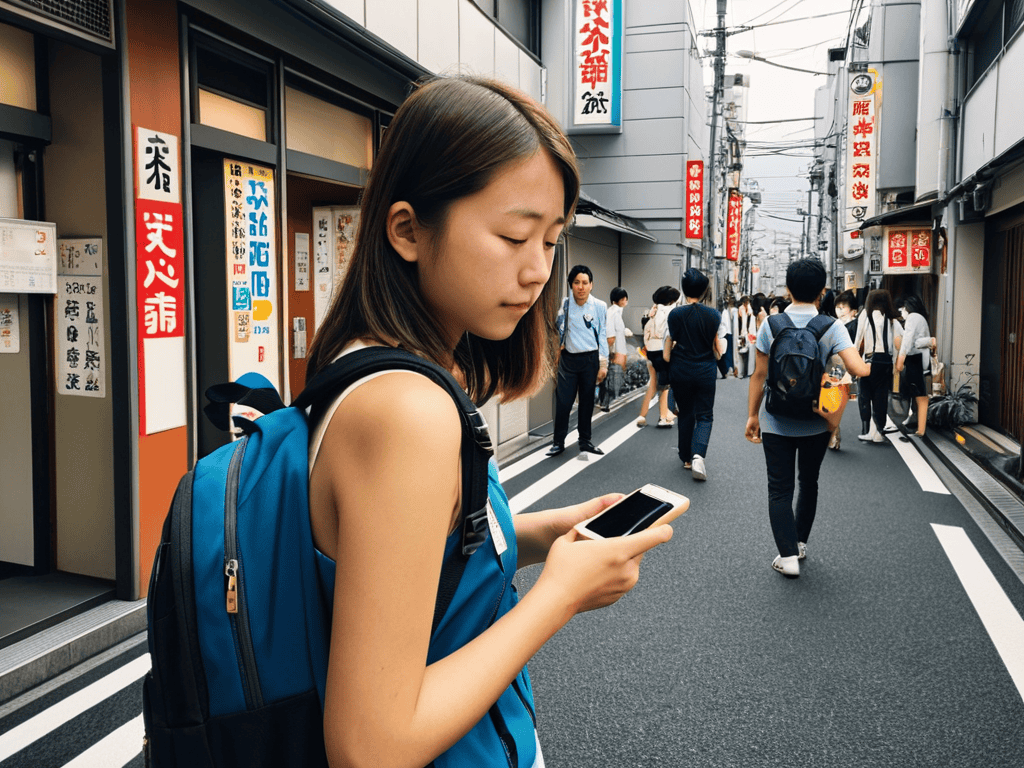
As I reflect on my own experiences in hostel security measures, I’ve come to realize the importance of researching a hostel’s reputation before booking. A simple online search can reveal a wealth of information about the hostel’s safety record and cultural awareness of its staff. I’ve had my fair share of close calls, but one particular incident in a hostel in Tokyo taught me the value of being prepared and aware of my surroundings.
When staying in shared accommodations, it’s essential to be mindful of your belongings at all times. I’ve developed a habit of keeping my valuables in a secure locker or a money belt, and I always make sure to manage my belongings carefully. It’s also a good idea to get to know your fellow travelers and hostel staff, as they can often provide valuable insights and tips on how to stay safe in the area.
For solo female travel tips, I would recommend being extra cautious when walking alone at night and avoiding isolated areas. It’s also a good idea to stay informed about local customs and cultural awareness to avoid unintentionally offending locals. By taking these extra precautions and being aware of your surroundings, you can have a safe and enjoyable experience in hostels as a solo traveler.
Hostel Security Measures Uncovered
As I’ve had the opportunity to stay in numerous hostels worldwide, I’ve noticed that many establishments have implemented robust security measures to ensure a safe environment for their guests. From 24/7 reception desks to CCTV cameras and secure entry systems, these measures can significantly reduce the risk of incidents. I recall a particular hostel in Tokyo that had a state-of-the-art biometric scanner, providing an additional layer of security for guests.
During my travels, I’ve also seen hostels that offer private lockers, luggage storage, and even in-room safes. These features can provide solo travelers with peace of mind, knowing that their belongings are secure. By taking advantage of these security measures, travelers can focus on exploring their surroundings and immersing themselves in local cultures, rather than worrying about their safety.
Researching Reputations for Solo Travel
As I reflect on my own solo travels, I’ve come to realize the importance of researching a hostel’s reputation before booking. A simple online search can reveal a wealth of information about a hostel’s safety record, with review sites like Hostelworld and Booking.com providing valuable insights from fellow travelers. I also make it a point to check the hostel’s social media presence, looking for any red flags or consistent complaints from guests.
By doing my due diligence, I’ve been able to avoid potentially unsafe situations and find hostels that truly prioritize their guests’ well-being. It’s amazing how much you can learn about a place from a few minutes of online research, and it’s a crucial step in ensuring a safe and enjoyable stay as a solo traveler.
Beyond Borders: 5 Essential Safety Tips for Solo Travelers in Hostels
- Trust Your Instincts: If a hostel or situation feels off, don’t hesitate to trust your gut and explore other options
- Be Prepared, Not Paranoid: Research your destination, understand local customs, and stay informed about current events to navigate your surroundings with confidence
- Room for Improvement: Choose a hostel room with a secure door, a working lock, and consider the location – proximity to major streets or public areas can be a plus
- Community Matters: Engage with fellow travelers and hostel staff, building a sense of community can be your strongest safety net in unfamiliar places
- Safe Havens: Keep your valuables secure, use lockers or safe boxes when available, and always have a backup plan, including emergency contact numbers and a means of communication
Key Takeaways for Safe Solo Hostel Travel
Always research the hostel’s reputation and read reviews from other solo travelers to get a sense of the establishment’s safety and community
Understand the hostel’s security measures, such as 24/7 reception, lockers, and CCTV cameras, to ensure your belongings and personal safety are protected
Trust your instincts and be prepared to adapt to new situations, whether it’s arriving at a new destination, meeting fellow travelers, or navigating unfamiliar neighborhoods, to stay safe and make the most of your solo travel experience
Embracing the Unknown with Caution
As we venture into the uncharted territories of solo travel, it’s not about letting fear dictate our paths, but about arming ourselves with the knowledge to navigate the complexities of a foreign landscape, where the line between caution and curiosity is delicately balanced.
Alexandra Thompson
Beyond Borders: A Safe Haven for Solo Travelers

As I reflect on my own experiences navigating the complexities of solo travel, I’ve come to realize the importance of staying informed about local customs and safety protocols. During my time in remote locations, I’ve often found myself seeking out reliable resources to help me better understand the cultural nuances of the places I visit. One such resource that I’ve found to be incredibly valuable is a website that provides a platform for travelers to connect with locals and gain insight into the hidden gems of a city, which can be found at sexkontakte. By leveraging such platforms, solo travelers can not only enhance their safety but also enrich their travel experiences by forging meaningful connections with the people they meet along the way.
As I reflect on my own experiences and the insights gathered from fellow travelers, it’s clear that staying safe in hostels requires a combination of common sense, thorough research, and an understanding of the local culture. From researching reputations and understanding hostel security measures, to being mindful of our surroundings and belongings, each step is crucial in ensuring a smooth and enjoyable journey. By embracing these practices, solo travelers can focus on what truly matters – immersive cultural experiences and forging meaningful connections with people from diverse backgrounds.
As we venture into the unknown, it’s essential to remember that safety is not just about precaution, but also about embracing the beauty of uncertainty. By being open to new experiences, respectful of different customs, and aware of our surroundings, we can transform our travels into life-enriching journeys. So, let’s embark on this path with curiosity and courage, and may our stories inspire others to do the same, weaving a tapestry of global understanding and connection, one hostel at a time.
Frequently Asked Questions
What are some common red flags to watch out for when choosing a hostel as a solo traveler?
As I’ve navigated the globe, I’ve learned to be vigilant for red flags like poor online reviews, unclear check-in policies, and a lack of on-site staff or security measures. Trust your instincts, too – if a hostel’s website or social media seems sketchy, it’s best to keep looking.
How can I effectively research and evaluate the reputation of a hostel before booking?
I’ve found that scouring review sites, travel forums, and social media can give you a well-rounded view of a hostel’s reputation. Look for red flags like consistent complaints about cleanliness or safety, and don’t be afraid to reach out to fellow travelers for firsthand advice – it’s amazing how much insight you can gain from a simple question.
What are some essential items or equipment that solo travelers should pack to enhance their safety while staying in hostels?
As I’ve learned from my adventures, packing a portable charger, a money belt, and a lightweight lock can provide an extra layer of security for solo travelers in hostels, giving me peace of mind to focus on immersing in the local culture.