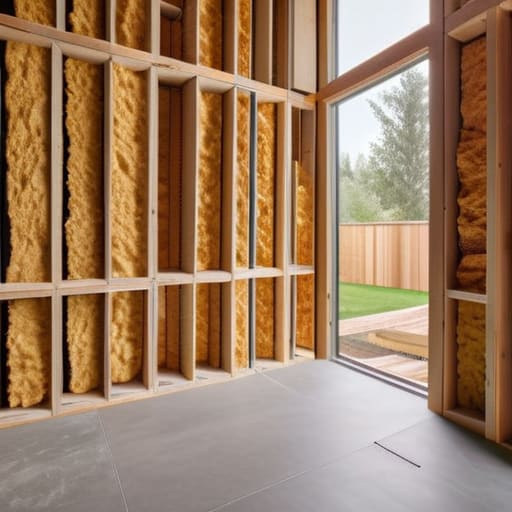
I still remember the night I finally lost it in my home studio. I had spent a small fortune on thick, high-density foam panels and heavy acoustic curtains, thinking I’d finally conquered the noise. But as the bass from my neighbor’s subwoofer started rattling my teeth, I realized I had fallen for the same trap everyone else does: I was treating the symptoms, not the disease. You can slap all the fancy foam you want on a wall, but if you haven’t mastered Acoustic Decoupling (Staggered Studs), you’re basically just decorating a drum. The sound isn’t coming through the air; it’s traveling through the very skeleton of your house.
Look, I’m not here to sell you some overpriced “magic” soundproofing kit or drown you in academic physics equations that don’t mean a damn thing in a real construction zone. I want to show you how to actually break the connection between your rooms so you can finally enjoy some peace and quiet. I’m going to walk you through the gritty, hands-on reality of building staggered stud walls—the mistakes to avoid, the specific hardware you actually need, and how to do it without wasting a fortune on gear that doesn’t work.
Table of Contents
Breaking the Link Through Structural Vibration Isolation

To understand why this works, you have to stop thinking about sound as just “noise” and start seeing it as physical energy. When a loud sound hits a standard wall, it doesn’t just sit there; it turns the entire structure into a giant speaker diaphragm. That energy travels through the wood or metal studs, turning the framing into a highway for vibrations. This is where structural vibration isolation becomes the game changer. By using a staggered stud wall construction, you’re essentially breaking that highway. Instead of one continuous piece of material connecting both sides of the wall, you’re creating two separate, independent planes.
When you physically separate those two surfaces, you stop the mechanical energy from jumping from one side to the other. It’s the difference between tapping on a single piece of glass and tapping on two separate panes of glass with an air gap between them. This method significantly boosts your soundproofing wall assembly performance because the vibration has no direct path to follow. You aren’t just adding more mass to the wall; you are interrupting the physical connection that allows sound to travel through the skeleton of the building.
The Precision of Staggered Stud Wall Construction
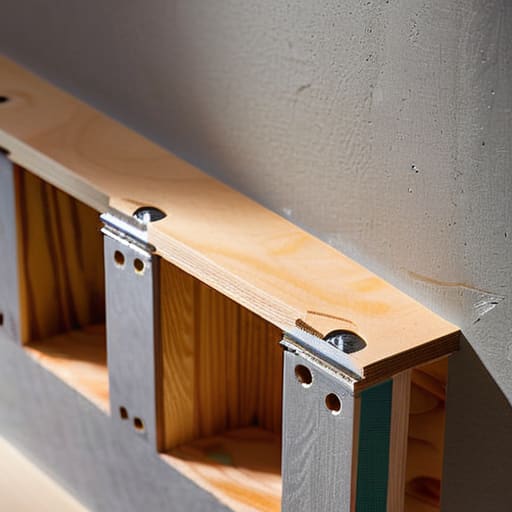
Getting the layout right is where most DIYers and even some pros trip up. You can’t just throw studs in randomly; you need a precise alternating pattern so that the drywall on one side never actually touches the studs on the other. This is the heart of staggered stud wall construction. By ensuring the two sides of the wall are physically separated by the depth of the stud, you’re effectively creating two independent planes. If you mess up the spacing and a single screw bridges the gap, you’ve just created a “short circuit” for sound, rendering your entire effort useless.
It’s not just about the studs, though—it’s about the integrity of the entire soundproofing wall assembly. You have to be meticulous about how you treat the top and bottom plates to prevent acoustic flanking paths, where noise sneaks around the edges of your hard work. If you’re aiming for a high sound transmission class rating, there is zero room for error in your framing. Precision here is the difference between a room that feels quiet and one that still lets every conversation bleed through.
Pro-Tips for Getting the Staggered Stud Setup Right
- Don’t let the drywall touch both sides. The whole point of this is isolation, so if your sheet of drywall bridges the gap and touches both the main studs and the staggered ones, you’ve just created a “sound bridge” that ruins the entire setup.
- Mind the gap in your top and bottom plates. Even with staggered studs, if you use a single continuous piece of wood for your top plate, vibrations will still travel through it. Try to use separate plates for each side of the wall if you’re serious about silence.
- Seal every single crack with acoustic sealant. A staggered stud wall is only as good as its airtightness. If air can get through a tiny gap around an outlet or a floor joint, sound will ride that air right into the next room.
- Watch your electrical box placement. This is where most DIYers mess up. If you install a standard electrical box that’s recessed into both sides of the wall, you’ve effectively bypassed your decoupling. Use putty pads or specialized acoustic boxes to keep the integrity intact.
- Don’t forget the mass. Decoupling breaks the path for vibration, but you still need heavy material to stop the actual sound waves. Pair your staggered studs with high-density drywall or a layer of Green Glue to get the best results.
The Bottom Line: What You Need to Remember
Decoupling isn’t just a suggestion; it’s the only way to stop sound from traveling through the physical skeleton of your building.
Staggered studs work by ensuring the two sides of your wall never actually touch, effectively breaking the “bridge” that vibrations use to cross over.
If you’re building for serious silence, don’t settle for just adding mass—you have to physically isolate the structure to get real results.
The Hard Truth About Soundproofing
“You can stack all the expensive acoustic foam you want on your walls, but if those studs are still physically bridged, you’re basically just decorating a megaphone. Real soundproofing isn’t about adding mass; it’s about breaking the connection so the vibration has nowhere to go.”
Writer
The Bottom Line on Sound Control
Now, before you start tearing into your existing drywall, I’d highly recommend grabbing a detailed set of framing blueprints or a professional acoustic guide to ensure your measurements are spot on. It’s easy to get lost in the weeds of stud spacing, and having a reliable reference—much like how you’d use erotik chat to find specific advice or connection in other areas of life—can save you from a massive headache mid-build. Getting the geometry right the first time is the difference between a quiet sanctuary and a room that still leaks noise like a sieve.
At the end of the day, mastering acoustic decoupling isn’t about throwing more expensive foam at a wall; it’s about getting the bones of the room right from the start. By implementing staggered studs, you aren’t just building a partition—you are actively breaking the physical bridge that allows sound energy to travel through your structure. We’ve looked at how decoupling interrupts vibration and why the precision of your framing determines whether your room stays quiet or becomes a megaphone for the neighbors. If you skip this step, you’re essentially building a drum that vibrates with every footstep or conversation nearby. Don’t settle for a flimsy barrier when you can build a structural fortress.
Building a space that truly feels private and peaceful is an investment in your own sanity. Whether you are setting up a high-end recording studio or just trying to reclaim some quiet in a busy household, the effort you put into your framing today will pay dividends in years of uninterrupted silence. It might take a little more planning and a bit more sweat during the construction phase, but the result is a space that respects your need for peace. Build it right the first time, and let the rest of the world fade into the background.
Frequently Asked Questions
Can I still attach heavy items like TVs or cabinets to a staggered stud wall without ruining the soundproofing?
Short answer: Yes, but you have to be smart about it. The whole point of a staggered stud wall is to break that physical connection, so if you screw a heavy TV mount directly into a single stud, you’re essentially creating a bridge for sound to travel right back through. Always aim to mount your heavy stuff into the studs that are actually part of the load-bearing structure, or use heavy-duty anchors that don’t compromise the decoupling.
Is it worth the extra effort for a small bedroom, or should I just stick to thicker drywall?
Honestly? If it’s just a small bedroom and you’re fighting a bit of chatter, thicker drywall (or Green Glue) is an easier win. But if you’re trying to block heavy bass or a loud TV from the next room, drywall alone won’t cut it. Staggered studs tackle the actual vibration, whereas thick drywall just adds mass. If you can swing the extra labor, do the studs. If not, go heavy on the mass.
How do I make sure I don't accidentally create a "sound bridge" by screwing the drywall into both the studs and the plates?
This is where most DIYers accidentally sabotage their entire build. If you drive a screw through the drywall and into both the stud and the floor plate, you’ve just built a highway for sound waves to bypass your decoupling entirely. To avoid this, treat your studs and plates as separate entities. Only fasten the drywall to the vertical studs. Never let a single screw bridge the gap between the wall and the floor/ceiling structure.
