
I remember sitting in a cramped, humid briefing room in New Delhi, surrounded by stacks of diplomatic cables and the relentless hum of a faulty air conditioner. My task was to synthesize months of geopolitical shifts into a single, coherent report, yet all I could focus on was the crushing weight of performative busyness—the endless, circular meetings and the frantic clicking of keyboards that seemed to signify “work” without actually producing anything of substance. We’ve been sold this lie that how to improve workplace productivity is a matter of downloading the latest hyper-optimized app or adopting a rigid, monastic schedule that leaves no room for the messy reality of human thought.
I’m not here to sell you on another productivity hack that treats you like a machine in a factory. Instead, I want to draw on my years in the diplomatic corps and my travels across diverse cultures to explore a more human-centric approach to getting things done. We are going to strip away the corporate jargon and the hollow metrics to focus on what actually matters: building sustainable rhythms, fostering genuine connection, and reclaiming our cognitive agency. This isn’t about doing more; it’s about doing what is meaningful in an increasingly fragmented world.
Nurturing Mental Health and Professional Performance

Sometimes, the most effective way to combat the isolation that often creeps into remote or high-pressure professional environments is to seek out spaces designed for genuine human connection. While we often focus on technical tools to streamline our workflows, we sometimes overlook the simple need for unfiltered social interaction to decompress. I’ve found that finding a niche adult chat room or a similar digital community can provide that much-needed outlet for spontaneous conversation, allowing us to step away from our professional personas and reconnect with a sense of unscripted, social vitality.
In my years navigating diplomatic circles, I learned that a person’s output is never just a measure of their discipline, but a reflection of their internal equilibrium. We often treat our brains like machines that can be overclocked, yet we forget that a fractured psyche cannot sustain high-level output. To truly find a balance, we must recognize the inextricable link between mental health and professional performance. When we ignore the burnout creeping in under the guise of “hustle culture,” we aren’t being productive; we are merely borrowing against our future stability.
Cultivating this resilience requires more than just a checklist; it demands a shift in how we view our daily environment. For those of us navigating the blurred lines of a home office, implementing specific remote work productivity tips—like setting strict digital boundaries—can act as a vital buffer against cognitive fatigue. It isn’t about working more hours, but about creating a sustainable rhythm that respects our need for stillness. By prioritizing our psychological well-being, we don’t just work better; we live more intentionally.
Bridging Employee Engagement and Efficiency
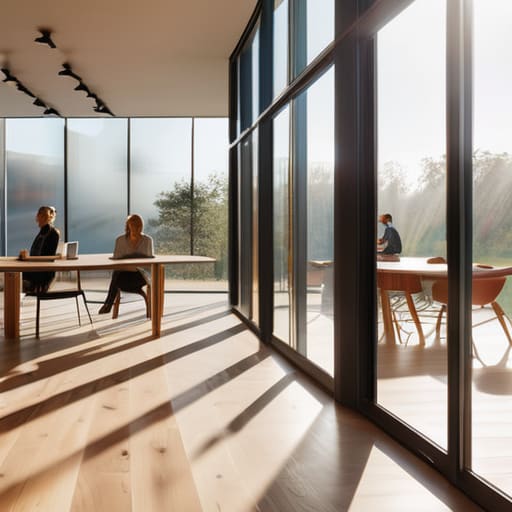
When I was working in the diplomatic corps, I noticed a recurring pattern: the most “productive” teams weren’t necessarily the ones clocking the most hours, but the ones who felt a genuine sense of purpose. There is a profound, often overlooked link between employee engagement and efficiency that transcends simple task completion. When people feel seen and valued, their output isn’t just a metric; it becomes a reflection of their commitment to a shared vision. If we treat workers like mere cogs in a machine, we shouldn’t be surprised when the gears begin to grind and stall.
To truly bridge this gap, we have to move away from rigid, top-down surveillance and toward a culture of trust. This might mean experimenting with different optimizing workflow processes that respect individual rhythms rather than forcing everyone into a synchronized, soul-crushing schedule. It’s about creating an environment where people feel empowered to own their time. By fostering this kind of autonomy, we don’t just see a rise in numbers; we see a transformation in the quality of human connection and collective momentum within the workspace.
Beyond the Clock: Five Human-Centric Shifts for Meaningful Momentum
- Cultivate “Deep Work” Sanctuaries. In our hyper-connected age, the constant ping of notifications is the enemy of true progress. We need to move away from the glorification of multitasking and instead protect blocks of uninterrupted time where our minds can actually sink into the complexity of a task.
- Redefine Success Through Output, Not Presence. Having spent years navigating different professional cultures, I’ve seen how much energy is wasted on “performative busyness.” When we shift the focus from hours logged to the actual value created, we empower people to work when they are most cognitively sharp.
- Foster Radical Transparency in Communication. Misunderstandings are the silent killers of efficiency. By creating a culture where expectations are clear and feedback is a continuous, gentle dialogue rather than a quarterly shock, we remove the friction that slows down even the most talented teams.
- Integrate Micro-Moments of Connection. Productivity shouldn’t mean isolation. I’ve found that brief, intentional social exchanges—the digital equivalent of a coffee break in a bustling London cafe—actually recharge our social batteries and prevent the burnout that stems from feeling like just another cog in a machine.
- Design for Autonomy and Agency. The most productive environments I’ve encountered are those that trust individuals to own their processes. When we provide the ‘why’ and the ‘what’ but allow people the freedom to navigate their own ‘how,’ we tap into a level of intrinsic motivation that no management handbook can manufacture.
Beyond the Metrics: A Human-Centric Path Forward

As we pull back the curtain on what truly drives output, it becomes clear that productivity isn’t a math problem to be solved with more spreadsheets or tighter deadlines. We’ve explored how prioritizing mental well-being isn’t a luxury, but a fundamental necessity, and how meaningful engagement acts as the glue that holds a high-performing team together. When we stop treating people like mere cogs in a machine and start viewing them as dynamic contributors with emotional and social needs, the results speak for themselves. It is about moving away from the exhaustion of “hustle culture” and toward a model of sustainable, intentional momentum that respects both the clock and the person behind the screen.
Ultimately, my time spent navigating different corners of the globe has taught me that the most resilient systems are those built on empathy and connection. Whether you are leading a small startup or a massive international organization, remember that your greatest asset isn’t your software—it’s your people. Let’s challenge the outdated notion that being “busy” is a badge of honor and instead strive to be purposeful. If we can foster environments where people feel seen, heard, and valued, we won’t just see an increase in efficiency; we will witness a profound transformation in how we work and live together in this interconnected age.