I remember sitting on the edge of a thin, springy cot in a remote village outside of Kathmandu, listening to the rhythmic hum of the mountains, and realizing that my exhaustion wasn’t just physical—it was a lack of true sanctuary. We often treat sleep as a luxury or a secondary thought, but after years of navigating different time zones and unpredictable accommodations, I’ve learned that your bed is actually the foundation of your entire existence. Most people approach the search for sleep by getting lost in a sea of marketing jargon and overpriced “smart” technology, but learning how to choose a good mattress shouldn’t feel like a diplomatic negotiation or a high-stakes gamble.
Of course, making a decision this significant can feel a bit isolating, especially when you’re staring at endless spec sheets and technical jargon. I’ve often found that the most meaningful insights don’t come from a manual, but from the collective wisdom of people who have actually navigated these same domestic dilemmas. If you find yourself needing a bit of real-world perspective or perhaps a sounding board for your specific sleep concerns, I always suggest leaning into community spaces like housewives chat, where the conversation is grounded in lived experience rather than marketing hype.
I’m not here to sell you on a specific brand or a miracle foam that promises to solve all your problems. Instead, I want to pull back the curtain on the industry’s noise and offer you a framework built on practicality and physiological truth. My goal is to strip away the hype and provide you with a clear, no-nonsense guide to understanding your own body’s needs. By the end of this, you’ll have the clarity to invest in your rest with the same intentionality I bring to every corner of the globe I visit.
Decoding Mattress Material Durability and Longevity
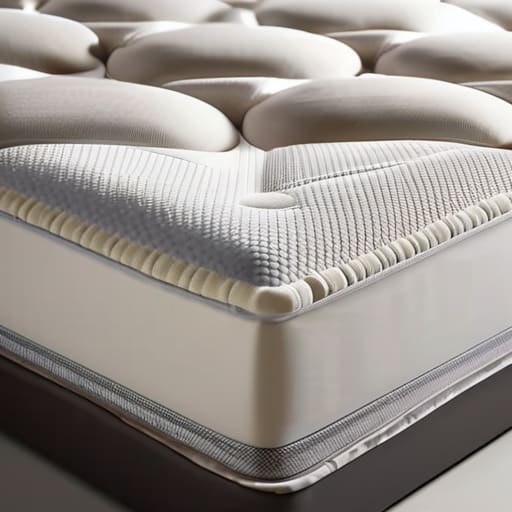
When I was stationed in various corners of the world, I learned that the most enduring structures are those built with an understanding of their environment. The same principle applies to what we sleep on. Understanding mattress material durability is less about reading a spec sheet and more about predicting how a material will respond to the weight of your life over the next decade. While a budget foam layer might feel heavenly during your first few weeks, the inevitable “sagging” phenomenon can turn a sanctuary into a source of back pain.
This is where the debate of memory foam vs hybrid mattresses becomes so vital for the long-term thinker. Memory foam offers that bespoke, contouring sensation, but without a robust support core, it can lose its structural integrity faster than a seasonal diplomat. Hybrids, which marry the responsiveness of coils with the comfort of foam, often provide a more resilient architecture. If you are searching for the best mattress for side sleepers, you aren’t just looking for immediate softness; you are looking for a material that maintains its ability to support your pressure points without collapsing under the pressure of time.
Memory Foam vs Hybrid Mattresses Choosing Your Comfort
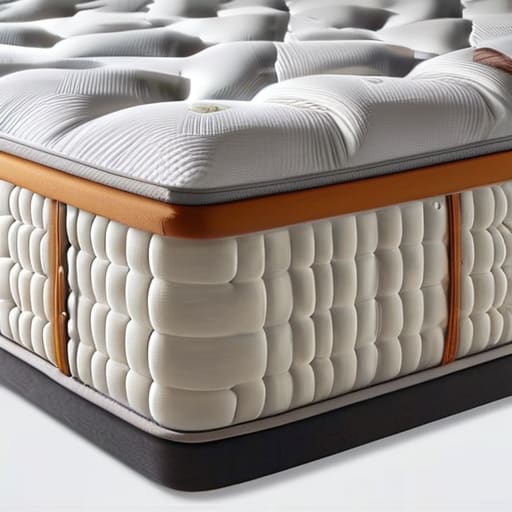
When I was traveling through the high altitudes of the Himalayas last year, I realized how much our environment dictates our physical state; the same logic applies to our beds. The debate of memory foam vs hybrid mattresses often boils down to how much you want to feel “hugged” versus “supported.” Memory foam is a marvel of contouring, molding itself to your unique shape to alleviate pressure points. It’s often cited as the best mattress for side sleepers because it allows the hips and shoulders to sink in just enough to maintain a neutral position. However, that deep embrace can sometimes feel like a warm hug that’s gone on a bit too long, potentially trapping heat.
Hybrids, on the other hand, offer a more structural, rhythmic kind of comfort. By layering responsive coils beneath foam, they provide a sense of buoyancy that memory foam lacks. This combination is particularly effective for those concerned with sleep posture and spinal alignment, as the springs offer a predictable push-back that keeps the spine from sagging. Choosing between them isn’t just a technical decision; it’s about deciding whether you want to sink into a cocoon or float atop a well-engineered foundation.
The Nuances of Comfort: Five Personal Anchors for Your Decision
- Don’t let the showroom floor fool you; a five-minute sit test is never a substitute for a real night’s sleep. If you can, find a way to lie down in your natural sleeping position for at least fifteen minutes. Your body has a way of revealing its true needs—whether it’s spinal alignment or pressure relief—only once the initial novelty of the store environment fades.
- Consider your sleeping position as your primary compass. If you’re a side sleeper, you’ll likely crave that soft, contouring embrace to protect your hips and shoulders; conversely, stomach sleepers need a firmer foundation to prevent that dreaded arch in the lower back that leaves you feeling restless by dawn.
- Pay close attention to the “temperature politics” of your mattress. I’ve learned through many long nights in different climates that certain materials, like traditional memory foam, can act like a heat trap. If you tend to run warm, look for breathable layers or hybrid designs that allow for the kind of airflow that keeps your internal environment stable.
- Evaluate the support system through the lens of longevity, not just immediate softness. A mattress might feel like a cloud on day one, but you have to ask yourself if the internal structure—be it pocketed coils or high-density foam—is robust enough to maintain its integrity through years of nightly movement.
- Listen to your body’s subtle signals regarding edge support. It sounds trivial until you find yourself sliding off the side of the bed or feeling cramped when you’re near the perimeter. A well-constructed mattress should provide a stable boundary, giving you the freedom to move without feeling like you’re perched on a cliffside.
The Final Lay of the Land
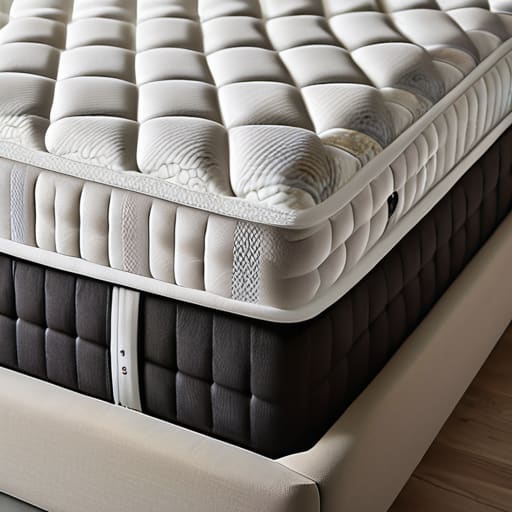
Navigating the labyrinth of mattress specifications can feel a bit like trying to map out a shifting geopolitical landscape—complex, nuanced, and deeply personal. We’ve journeyed through the structural integrity of various materials, weighed the long-term value of durability against initial costs, and debated the nuanced tactile differences between the enveloping embrace of memory foam and the responsive support of a hybrid build. Ultimately, choosing the right mattress isn’t a one-size-fits-all equation; it is a delicate balancing act of understanding your unique physiological needs and aligning them with the engineering of the bed. Whether you prioritize spinal alignment or temperature regulation, the goal remains the same: finding that rare intersection of durability and personal comfort.
As I sit here in my study, surrounded by my collection of vintage globes, I am often reminded that our world is shaped by the foundations we build. In many ways, our sleep is the foundation of our entire existence. We often spend so much time navigating the external complexities of our careers and cultures that we neglect the very sanctuary that allows us to face them. Investing in your sleep is more than a consumer choice; it is an act of intentional self-care and a commitment to your future well-being. May you find a bed that doesn’t just offer rest, but provides the restorative peace necessary to wake up ready to engage with the beautiful, chaotic world around you.