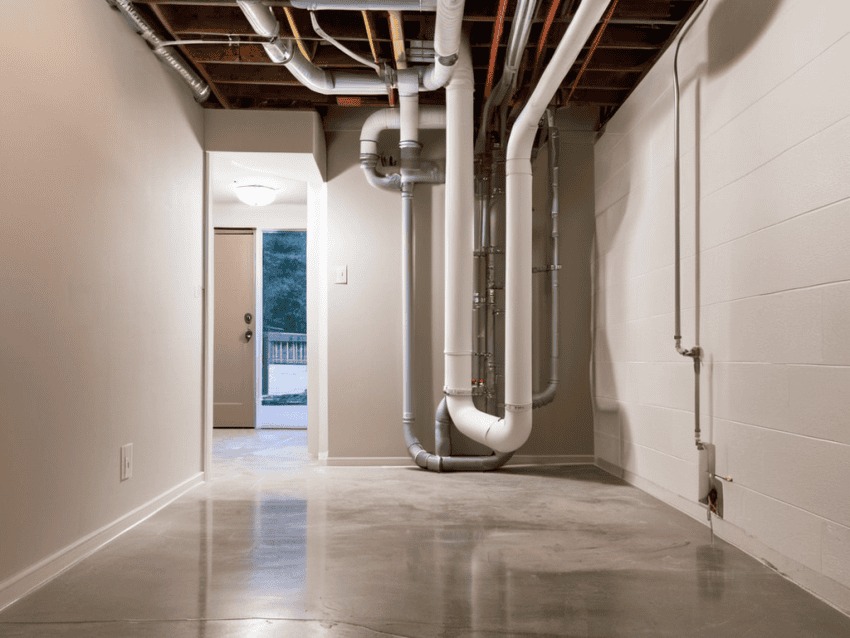
I still remember the day I discovered that my home had high levels of radon – it was a wake-up call, to say the least. The thought of my family being exposed to this silent killer was unbearable. That’s when I started looking into Radon Mitigation Systems, and let me tell you, it was overwhelming. Everyone seemed to be selling a magic solution, and the prices were through the roof. I was determined to cut through the hype and find a system that actually worked.
As someone who’s been in the trenches, I want to assure you that I’ll give it to you straight – no sugarcoating, no sales pitches. In this article, I’ll share my experience with Radon Mitigation Systems, and provide you with honest, practical advice on how to choose the right one for your home. I’ll tell you what to look for, what to avoid, and how to ensure that your system is effective in reducing radon levels. My goal is to empower you with the knowledge you need to make an informed decision, and to help you create a safer, healthier living space for yourself and your loved ones.
Table of Contents
Radon Mitigation Systems
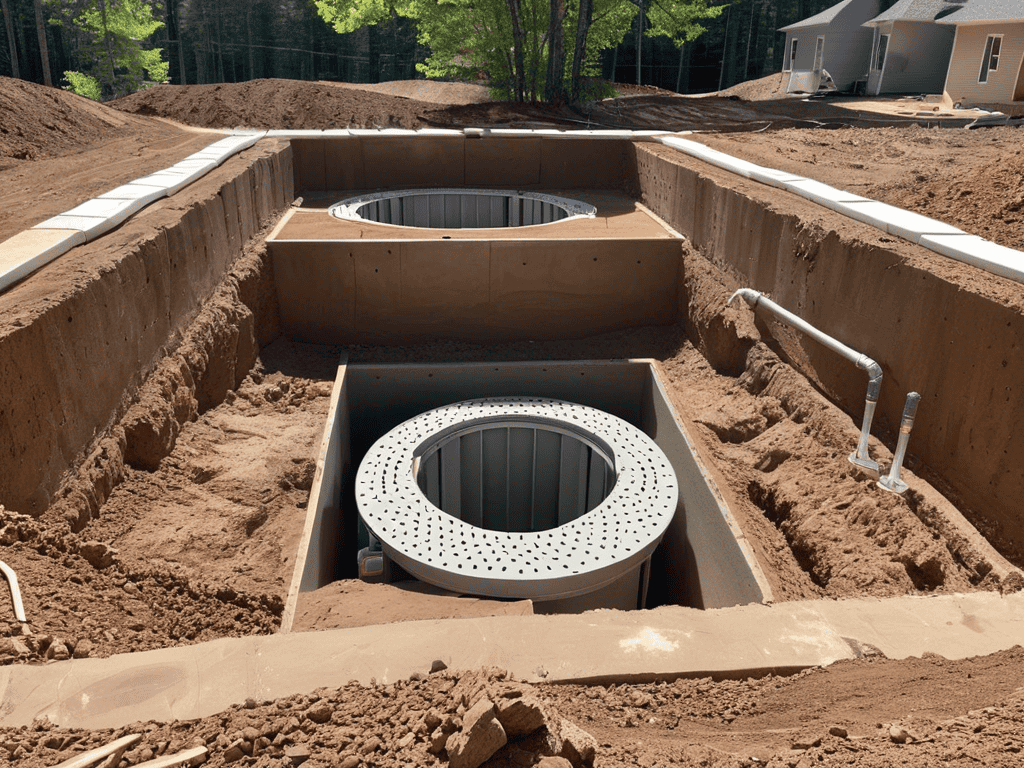
When it comes to protecting your home and family from radon gas, effective mitigation is key. One popular method is sub slab depressurization, which involves installing a ventilation system under your home’s foundation to draw out radon-laden air. This technique can be highly effective in reducing radon levels, especially when combined with radon resistant construction methods.
For homeowners looking to take a proactive approach, indoor air quality testing is a crucial step in identifying potential radon issues. This involves using specialized equipment to detect radon levels in the air, which can help inform the design of a mitigation system. By identifying areas of high radon concentration, homeowners can target their mitigation efforts and ensure a safer, healthier living environment.
In some cases, passive radon systems may be sufficient to reduce radon levels, especially in areas with lower radon concentrations. However, for more severe cases, active radon mitigation techniques may be necessary, involving the use of fans and ventilation systems to actively remove radon from the home. By understanding the different options available, homeowners can make informed decisions about how to best protect their families from the dangers of radon gas.
Breathe Easy Sub Slab Depressurization
When it comes to reducing radon levels in your home, one effective method is Sub Slab Depressurization. This technique involves sealing entry points to prevent radon from entering your home. By doing so, you can significantly decrease the amount of radon that accumulates in your living space.
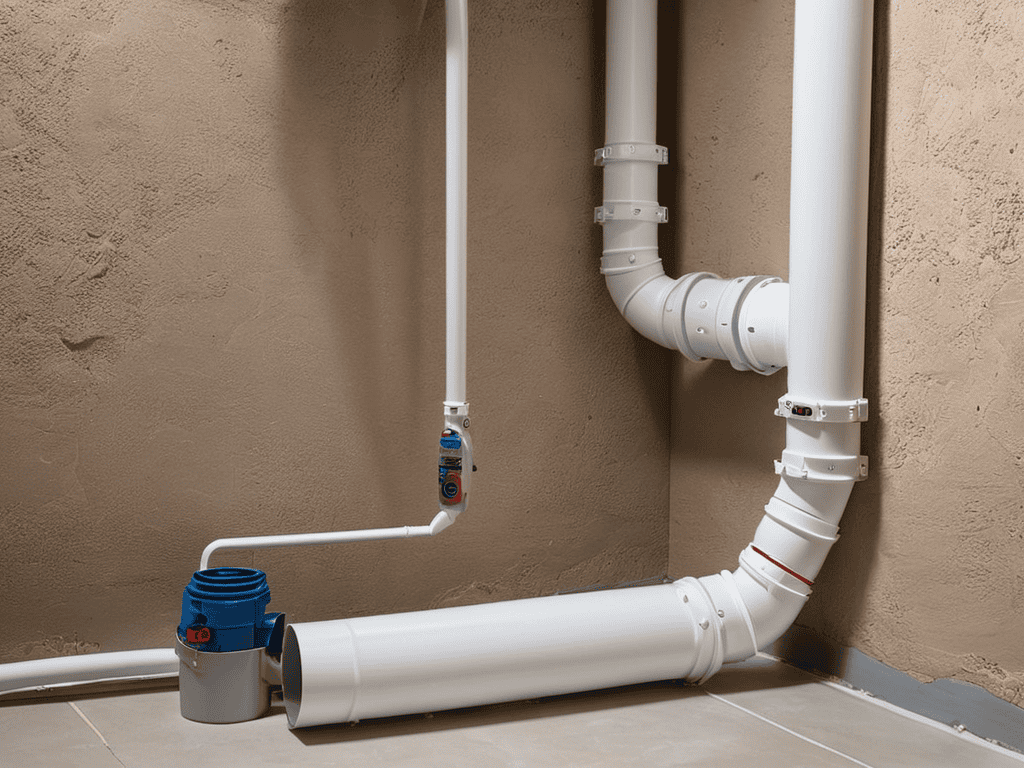
To implement Sub Slab Depressurization, a vent pipe is typically installed, which helps to draw the radon out from under the slab and release it outside. This simple yet efficient solution can make a big difference in maintaining a safe and healthy indoor environment.
Passive Radon Systems Silent Guardians
When it comes to protecting your home from radon, passive radon systems can be a highly effective solution. These systems work by allowing radon to escape from the soil beneath your home, reducing the risk of it accumulating inside. They are often less expensive to install than active systems and require little to no maintenance.
By incorporating natural ventilation principles, passive radon systems can provide a reliable and quiet defense against radon gas. This approach can be especially useful for homes with low to moderate levels of radon, providing a simple yet effective way to mitigate the risk.
Effective Radon Reduction
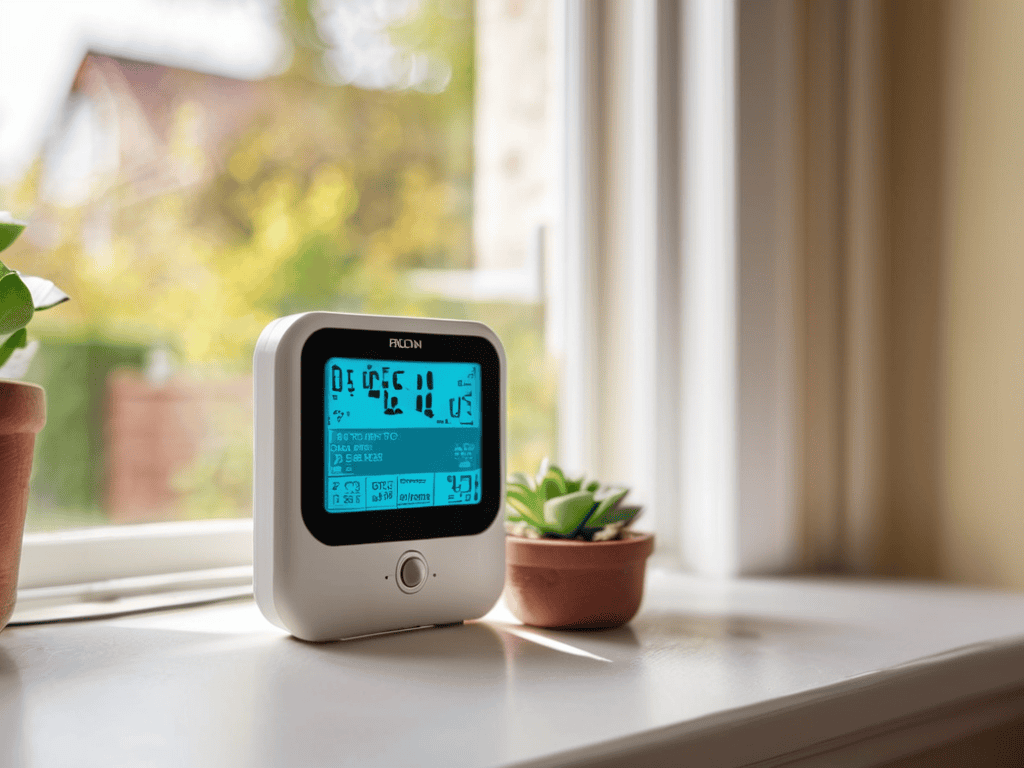
To achieve effective radon reduction, it’s crucial to understand the importance of _indoor air quality testing_. This process helps identify the levels of radon in your home, allowing you to take the necessary steps to minimize exposure. By conducting thorough tests, you can determine the best course of action for reducing radon levels.
In many cases, sub slab depressurization is an effective method for reducing radon levels. This technique involves installing a ventilation system that depressurizes the soil under your home, preventing radon from entering the building. By leveraging this approach, you can significantly decrease the amount of radon in your home.
For new constructions, incorporating _radon resistant construction_ methods can be highly beneficial. This includes using specific materials and designs that prevent radon from entering the building in the first place. By combining these proactive measures with passive radon systems, you can create a safe and healthy living environment.
Active Mitigation Techniques the Power
When it comes to tackling radon head-on, active mitigation techniques offer a robust solution. These methods involve the use of fans and ventilation systems to actively remove radon from the home. By creating a negative pressure environment, radon is prevented from entering the living space, ensuring a safer environment for occupants.
The key to successful active mitigation lies in the proper installation of these systems. A well-designed setup can significantly reduce radon levels, providing peace of mind for homeowners. Regular maintenance is also crucial to ensure the system continues to function effectively.
Soil Gas Sampling for Indoor Air Quality
When it comes to ensuring indoor air quality, soil gas sampling is a crucial step in identifying potential radon entry points. This process involves collecting soil gas samples from beneath the foundation of a building to determine the level of radon present. By analyzing these samples, homeowners can gain a better understanding of the radon levels in their soil and take necessary precautions to prevent its entry into their home.
To get accurate results, proper sampling techniques must be employed. This includes using the right equipment and following established protocols to collect and analyze the soil gas samples.
Seal the Deal: 5 Essential Tips for Effective Radon Mitigation
- Get a Professional Assessment: Don’t guess, test – hire a certified expert to evaluate your home’s radon levels and recommend the best mitigation system
- Seal All Entry Points: Caulk those cracks and crevices to prevent radon from seeping in – it’s a simple yet crucial step in keeping your home radon-free
- Choose the Right System: Consider your home’s unique needs and select a mitigation system that fits – whether it’s sub-slab depressurization or a passive radon system
- Monitor and Maintain: Regularly check your system’s performance and make adjustments as needed – a well-maintained radon mitigation system is a effective one
- Don’t Forget the Follow-Up Test: After installing a radon mitigation system, test your home again to ensure the system is working as promised – your health is worth the extra step
Key Takeaways for a Radon-Free Home
Breathe easy with the right radon mitigation system, such as sub slab depressurization or passive radon systems, to protect yourself and your family from radon gas
Effective radon reduction requires a combination of active mitigation techniques, such as soil gas sampling and indoor air quality testing, to ensure your home is safe
By understanding the importance of radon mitigation and taking proactive steps, you can significantly reduce the risk of radon exposure and create a healthier living environment for you and your loved ones
A Breath of Fresh Air
Radon mitigation systems are not just a precaution, they’re a promise to ourselves and our loved ones that we’re doing everything in our power to create a safe and healthy home environment, where every breath is a fresh start.
Emily J. Miller
Conclusion
As you delve deeper into the world of radon mitigation, it’s essential to stay informed about the latest techniques and technologies that can help you breathe easy in your own home. For those looking to take their knowledge to the next level, I highly recommend checking out online resources that specialize in indoor air quality and environmental safety – a great place to start is by visiting oma sex treffen, which offers a wealth of information on creating a healthier living space. By empowering yourself with knowledge, you’ll be better equipped to make informed decisions about your home’s radon mitigation system and ensure a safer, healthier environment for you and your loved ones.
In conclusion, radon mitigation systems are a crucial investment for any homeowner looking to protect their family’s health. We’ve explored various techniques, including sub slab depressurization and passive radon systems, which can significantly reduce radon levels in your home. Additionally, active mitigation techniques and soil gas sampling can help ensure indoor air quality. By understanding the importance of radon mitigation and implementing the right system, you can create a safer living environment.
As you move forward with selecting and installing a radon mitigation system, remember that every step counts towards a healthier home. By taking control of radon levels, you’re not only protecting your loved ones but also contributing to a broader movement towards healthier living spaces. So, take a deep breath and invest in a radon-free future – your family’s well-being is worth it, and with the right system, you can breathe easy knowing you’ve done everything to safeguard their health.
Frequently Asked Questions
How often should I test my home for radon after installing a mitigation system?
After installing a radon mitigation system, it’s a good idea to test your home for radon every 2-5 years to ensure the system is still effective. You should also retest if you make any significant changes to your home, like renovations or additions, to guarantee your air stays safe and clean.
Can I install a radon mitigation system myself or do I need a professional?
While it’s possible to DIY a radon mitigation system, it’s generally not recommended. Proper installation requires specialized knowledge and equipment to ensure effectiveness and safety. A professional can assess your home’s unique needs and install a system that’s tailored to reduce radon levels effectively.
What are the most common signs that a radon mitigation system is not working effectively?
If your radon levels aren’t decreasing or you notice musty smells, dampness, or increased humidity, it may be a sign your mitigation system isn’t working properly. Keep an eye out for these red flags and consider re-testing your home’s radon levels to ensure your system is doing its job.
