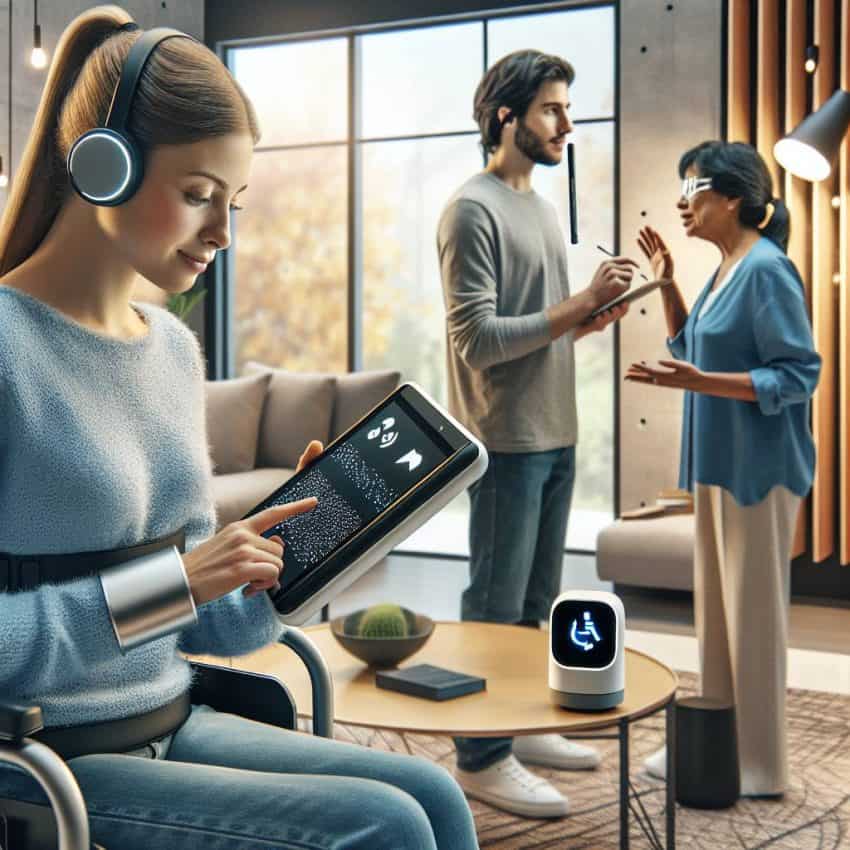
I once found myself in a boardroom, surrounded by suits who were convinced that adding a larger font option was the pinnacle of tech accessibility. I sat there, biting my tongue as I watched them pat themselves on the back for their so-called innovation. It was like they’d discovered fire—or at least, that’s what their self-satisfied grins suggested. But here’s the thing: accessibility isn’t just some checkbox on a project management tool. It’s not about slapping on a feature and calling it a day. It’s about weaving inclusivity into the very fabric of tech design. Yet, here we are, still fumbling in the dark, trying to make the digital world accessible to everyone, as if it’s some groundbreaking idea. Spoiler: it’s not.
Let’s get real. This article isn’t about sugarcoating the harsh reality of our tech landscape. I’m here to lay it all out—warts and all. We’ll dig into how inclusivity often feels like an afterthought despite the endless chatter about it. We’ll explore the usability nightmares that many face and why assistive technology shouldn’t be a niche market. I promise to cut through the fluff and deliver insights that matter, not just fill your day with empty words. So, buckle up, because it’s time to talk about tech accessibility like the grown-ups we are.
Table of Contents
The Day My Smartphone Became My Best Friend: A Tale of Usability and Inclusivity
I remember the day well. It was one of those rare moments when the tech world aligns with real needs, not just flashy gimmicks. My smartphone and I had always been on speaking terms, but it wasn’t until I discovered its accessibility features that our relationship truly deepened. You see, my phone transformed from a mere device into a trusted companion—one that understood my unique challenges and was ready to assist without judgment or fuss. Suddenly, I could access information, communicate, and navigate the urban jungle with a newfound ease that felt nothing short of liberating. It was as if my phone finally recognized the human on the other side, not just a user profile.
Let’s be real—tech for accessibility isn’t just about ticking boxes or meeting compliance standards. It’s about crafting tools that genuinely work for everyone, not just the majority. When a smartphone is designed with inclusivity at its core, it does more than function; it connects, empowers, and amplifies our capabilities. The real game-changer? Usability that doesn’t patronize. It’s voice controls that actually understand you, screen readers that narrate the world without condescension, and interfaces that respect individual needs. My smartphone’s adaptability wasn’t just convenient; it was a revelation. It showed me that true inclusion means designing tech that meets people where they are—not where we assume they should be.
When Accessibility Isn’t an Afterthought
Real innovation isn’t about flashy gadgets; it’s about crafting tech that invites everyone to the table from the start.
When Accessibility Becomes Personal
In the end, it’s not just about the devices or the software. It’s about a mindset shift—one where we finally prioritize inclusivity and usability because we must, not because it’s trendy. Navigating this digital landscape, I’ve learned that tech for accessibility isn’t just a feature; it’s a necessity that reflects our values as a society. And honestly, it speaks volumes about how we see each other. It’s a mirror to our intentions, our willingness to level the playing field.
So here I am, looking at my smartphone, not just as a gadget but as an ally and a reminder. It’s about time we all start demanding more from the tech giants—more empathy, more foresight, and more commitment to truly assistive technology. Let’s stop pretending it’s complicated and start calling it what it is: overdue. Because at the end of the day, tech should bring us together, not leave anyone behind.
